


A long-range ebike is designed to take you farther, but battery range isn't the only thing that matters. If you're spending hours on the road, seat design can have a major impact on comfort and riding fatigue.
From seat shape and padding to riding position and suspension, several factors work together to determine how comfortable your ebike feels over longer distances.
Why Seat Design Matters on Long-Range Ebikes
Short rides can hide an uncomfortable seat. After an hour or more, however, pressure points, poor posture, and road vibration become much harder to ignore.
A well-designed seat should provide enough support without restricting movement. It should also work with the bike's frame, handlebars, tires, and suspension to create a balanced riding position.
For long-range riders, comfort isn't a luxury. It's part of the overall riding experience.
1. Better Pressure Distribution
One of the biggest advantages of a good ebike seat is better pressure distribution.
A seat that's too narrow may create uncomfortable pressure points, while an overly soft seat can allow the rider to sink into an awkward position.
A supportive seat should distribute body weight more evenly while keeping you stable.
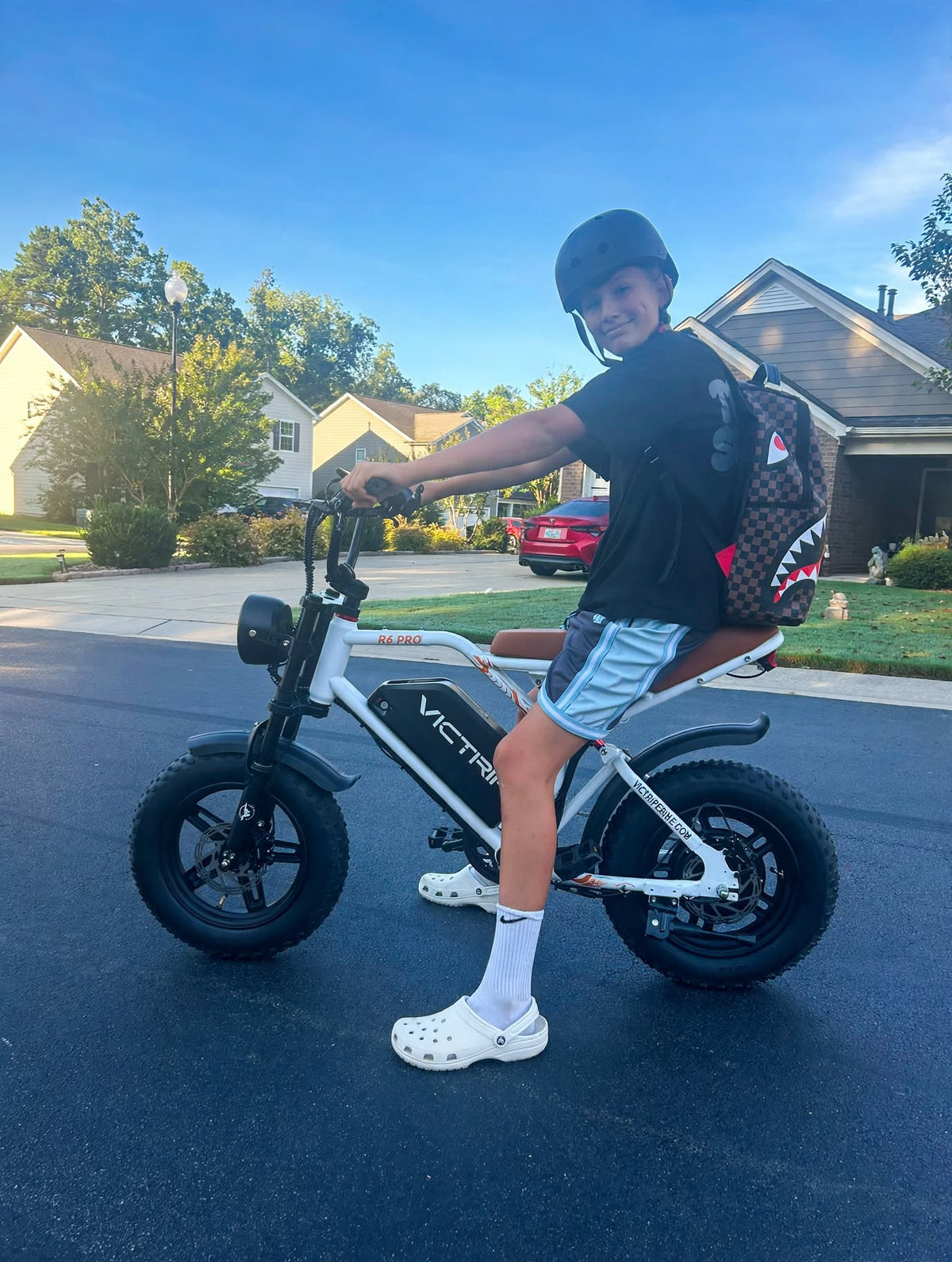
For upright and moped-style ebikes, a wider rear section can provide useful support during extended rides.
2. A More Comfortable Riding Position
Seat design also affects posture.
A properly positioned seat can help you maintain a natural relationship between your hips, pedals, and handlebars. This can reduce unnecessary strain on your back, shoulders, and wrists.
Seat height is equally important. A seat that's too low can make pedaling less efficient, while one that's too high can make stopping uncomfortable.
A few minutes spent adjusting the seat can make a noticeable difference.
3. The Right Amount of Padding
More padding doesn't always mean more comfort.
Very soft foam may feel great at first but provide less support during a long ride. A firmer, supportive cushion can sometimes be more comfortable over several hours.
When choosing a long-range ebike, look for a seat that balances:
- Cushioning
- Firmness
- Support
- Durability
- Breathability
The best choice ultimately depends on your body and riding style.
4. Seat Shape Matters
Two seats with similar padding can feel completely different because of their shape.
A good long-range seat should support the rear of the body without creating excessive pressure toward the front. It should also allow natural leg movement.
For riders who prefer an upright position, a broader and more supportive seat can be especially useful.

5. Suspension and Tires Add to Comfort
The seat isn't responsible for absorbing every bump.
Fat tires, suspension forks, and other components can help reduce the impact of rough roads. This becomes increasingly important when you're riding long distances.
Proper tire pressure also matters. Overinflated tires can feel harsh, while underinflated tires can affect handling and efficiency.
That's why long-range comfort should be viewed as a combination of the seat, tires, suspension, and frame geometry.
6. Rider Fit Is Essential
There isn't one perfect seat for everyone.
Your height, weight, riding position, and typical distance all influence what feels comfortable.
Before choosing an ebike, consider:
- How long you normally ride
- Whether you prefer an upright position
- Your typical terrain
- Whether you'll carry cargo
- How often you'll stop and start
- Whether you prefer a firmer or softer seat
A properly fitted bike is usually more comfortable and easier to control.
7. Materials Affect Long-Term Comfort
Seat materials also matter, especially for riders who use their ebike frequently.
Common materials include foam, memory foam, gel, and synthetic leather. Each offers different levels of cushioning, durability, and weather resistance.
For everyday riding, look for a seat with durable upholstery and padding that maintains its shape over time.
Comfort vs. Performance
A comfortable ebike doesn't have to sacrifice performance.
Modern long-range models can combine supportive seats with powerful motors, large batteries, fat tires, hydraulic brakes, and practical riding geometry.
The goal isn't simply to make every component softer. Instead, the bike should provide a balanced setup that remains comfortable and controlled as the distance increases.
How to Choose a Comfortable Long-Range Ebike
Before buying, use this quick checklist:
| Feature | What to Look For |
|---|---|
| Seat | Supportive shape and suitable width |
| Padding | Balanced cushioning and firmness |
| Seat height | Easy adjustment |
| Riding position | Comfortable and natural |
| Tires | Suitable width and proper pressure |
| Suspension | Useful for rougher roads |
| Fit | Appropriate for your body size |
| Materials | Durable and weather-resistant |
Don't judge a seat after sitting on it for only a few seconds. If possible, spend enough time in the riding position to see how it actually feels.
Where VICTRIP Fits In
For riders looking for a long-range ebike, VICTRIP models such as the R6 Pro focus on combining long-distance capability with a comfortable, practical riding experience.
The key point is that range alone doesn't make an ebike suitable for long rides. The overall combination of seat, tires, riding position, suspension, and frame design matters just as much.
That's why comfort should be considered alongside battery capacity when comparing long-range ebikes.
Simple Ways to Improve Seat Comfort
You don't always need a new seat.
Try these adjustments first:
- Set the seat to the correct height.
- Adjust the seat angle.
- Check your tire pressure.
- Adjust the handlebars if necessary.
- Wear comfortable riding clothing.
- Change your riding position occasionally.
- Take short breaks during very long rides.
Small adjustments can sometimes make a surprisingly big difference.
FAQs
Why is seat design important on long-range ebikes?
Long rides create more pressure and fatigue. A supportive seat can make extended riding more comfortable.
Is a wider ebike seat better?
Not necessarily. A wider seat can work well for upright riding, but the ideal width depends on your body and riding position.
Is a softer seat better?
Not always. A balance between cushioning and support is usually more useful for long-distance riding.
Can fat tires improve comfort?
Yes. Fat tires can help absorb some small road impacts, especially when properly inflated.
Should I replace my ebike seat?
Consider replacing it if it remains uncomfortable after adjustment or doesn't suit your riding position.
What matters most when buying a long-range ebike?
Look beyond battery range. Seat comfort, fit, tires, suspension, riding position, brakes, and overall ergonomics all matter.
Conclusion
A long-range ebike should do more than travel farther. It should make the journey enjoyable.
A well-designed seat can improve pressure distribution, posture, stability, and overall comfort, especially when you're spending hours on the road.
So when comparing long-range ebikes, don't look at battery capacity alone. Range gets you farther, but comfort helps you enjoy the ride.
Share:
How Powerful Should an Electric Dirt Bike Be for a Teenager?
5 Unmissable VICTRIP Labor Day Sale 2026 Deals You Don't Want to Miss