

If you’re wondering whether a Fat Tire Electric Bike is right for you, this section gives a quick reality check. Fat tire e-bikes are built with wide tires (usually 3.8" and up) that let you ride comfortably across soft or unstable surfaces — think sand, snow, muddy trails, and rugged back roads. Because of those huge tires, they offer extra traction, stability, and a cushioned ride that smaller tires can't match.
Why pick one? Simple: if you want versatility and comfort off the beaten path, they’re hard to beat. You’re likely to see them used for:
-
Beach cruising and coastal commutes
-
Winter commutes with light snow
-
Trail riding where singletrack isn’t required
-
Riders who value stability and comfort over top speed
Fat Tire Electric Bike models come in all price ranges and can be customized for cargo, commuting, or serious off-road work. So whether you need a daily commuter that laughs at potholes or a weekend trail explorer, they’re flexible.
Fat Tire Electric Bike: Key Components Explained
To buy smart, you’ve got to know the parts. Here's the breakdown of the fundamental systems you’ll inspect on any fat tire e-bike.
Motor
-
Hub motor vs. mid-drive: Hub motors are simpler and cheaper; mid-drive motors deliver better climbing and balance.
-
Power (watts): Common consumer models range 250W–1000W+; higher wattage gives stronger acceleration and better hill performance.
Battery
-
Capacity (Wh): Watt-hours determine range. 400–700 Wh is typical for long rides.
-
Chemistry: Most modern e-bike packs are lithium-ion; look for reputable manufacturers and good BMS (battery management system).
Controller & Display
-
The brain that manages power flow, pedal-assist levels, and range estimates. A clear display is a small luxury that pays off daily.
Frame & Fork
-
Usually aluminum or steel. Aluminum’s lighter; steel can be more comfortable. Pay attention to mounting points for racks and fenders.
Tires & Wheels
-
Fat tires are measured in width and diameter (e.g., 26" × 4.0"). Wider rolls mean greater flotation on soft surfaces.
How to Choose the Right Motor and Power
Picking motor specs depends on how and where you ride. Here are quick, practical rules:
-
Commuting on flats: 250–500W is fine; you’ll get decent assist and good battery life.
-
Hilly terrain or heavy riders: Aim for 750–1000W or a strong mid-drive with 85–100+ Nm torque.
-
Off-road and sand: Mid-drive helps because it leverages the bike’s gears for climbing and technical sections.
-
Speed considerations: If legal top speed matters in your area (class rules), match motor and controller to those limits.
Remember: a more powerful motor draws more battery per mile if you use full power constantly. Choose a motor that suits real-world use, not just top numbers.
Batteries, Range, and Real-World Expectations
Battery life is the most asked-about question. You’ll see range claims that vary wildly — here’s how to make sense of them.
-
Watt-hours (Wh) = volts × amp-hours. It’s the best single metric for range comparison.
-
Typical ranges:
-
400 Wh: 20–40 miles (32–64 km) mixed use
-
600 Wh: 35–65 miles (56–104 km)
-
800 Wh+: 50–100+ miles for conservative riding
-
-
Factors that reduce range: elevated assist levels, off-road terrain, heavier riders, higher speeds, strong headwinds, colder temperatures.
-
Tip: Aim for 20–30% more capacity than you think you need — batteries degrade and your needs evolve.
Frame, Suspension, and Fit
A good fit matters. Fat Tire Electric Bike frames are typically more upright, but you’ll still want to size it properly.
-
Sizing: Check manufacturer sizing charts; stand-over height and reach are key.
-
Suspension:
-
Rigid forks keep things simple and require less maintenance.
-
Front suspension (100 mm or more) smooths rougher trails.
-
Full suspension exists, but adds weight and cost — useful for aggressive trail use.
-
-
Cargo & mounts: Look for integrated rack mounts if you plan to carry groceries or panniers.
Tires, Wheels, and Braking Systems
Fat tires are the defining feature, but the supporting systems make them work.
-
Tire tread: Knobs for trails, smoother treads for sand and commuting.
-
Tubeless setups: Lower rolling resistance and fewer pinch flats; a good upgrade for serious riders.
-
Brakes: Hydraulic disc brakes are near-essential for fat tire e-bikes because of added mass and speeds; mechanical discs are okay on budget models.
-
Wheel strength: Wide rims and heavy-duty spokes are common — check spoke counts (36+ is common).
Safety, Legal, and Classifications
E-bike rules vary, so check local regulations. Typical classification in many regions:
-
Class 1: Pedal-assist only, up to 20 mph (32 km/h)
-
Class 2: Throttle or pedal-assist, up to 20 mph
-
Class 3: Pedal-assist only, up to 28 mph (45 km/h) — often restricted on trails
Safety tips:
-
Wear a helmet. For high-speed or off-road use, choose an appropriate mountain helmet.
-
Lights, reflectors, and a strong bell are non-negotiable for commuting.
-
Insure expensive builds or check homeowner policy for theft coverage.
For more on safety standards, trusted resources like Consumer Reports and REI have practical buyer guides.
Where You’ll Ride: Terrain & Use Case Guide
Match the bike to the most common terrains you’ll ride:
-
Sand & beach: Wide tread and low tire pressure for flotation — sealed hub or mid-drive both work.
-
Snow: Studded tires are a plus; battery performance dips in cold weather.
-
Dirt roads & casual trails: Fat tires shine here for comfort and control.
-
Urban commuting: Opt for fenders, racks, lights, and sometimes narrower fat tires (~3.0–3.5") to keep rolling resistance manageable.

Maintenance Checklist (Year-Round)
Staying on top of maintenance increases longevity and safety.
Monthly:
-
Check tire pressure and inspect for cuts
-
Tighten bolts and check spokes
-
Wipe down chain and drivetrain
Every 3–6 months:
-
Brake pad inspection and alignment
-
Battery health check and storage at 30–60% if not used for long periods
-
Torque-check stem and handlebar bolts
Annually:
-
Full service for motor bearings, controller diagnostics, and frame inspection
-
Replace worn tires and brake pads
Accessories that Matter
Don’t skimp on small items that make the ride functional:
-
Rack + panniers for commuting and shopping
-
Full-length fenders to keep you clean
-
High-quality lock (U-lock + cable)
-
Lights (front and rear, with daytime running light if possible)
-
Phone mount & USB charging off the battery
Fat Tire Electric Bike Buying Checklist (Quick)
Use this at the store or before clicking buy:
-
Does it fit (stand-over and reach)?
-
Is battery Wh adequate for your needs?
-
Are the brakes hydraulic?
-
Are there mounting points for racks/fenders?
-
Is the motor type suitable for your terrain?
-
What’s the warranty on frame, battery, and motor?
-
Read real-owner reviews for durability signals.
Comparison Table: Typical Types & Specs
| Use Case | Typical Motor | Battery (Wh) | Typical Tire | Brake Type | Good For |
|---|---|---|---|---|---|
| Commuter Fat E-Bike | 500W hub | 500–700 | 3.0–4.0" | Hydraulic discs | Urban, mixed surfaces |
| Trail/Fully-Rugged | 750–1000W mid-drive | 600–900 | 4.0–5.0" | Hydraulic discs | Sand, snow, off-road |
| Budget Fat | 350–500W hub | 400–500 | 3.5–4.0" | Mechanical/Hydraulic | Short commutes, leisure |
| Cargo Fat | 750W hub or mid | 700–1000+ | 3.8–4.8" | Hydraulic | Heavy loads, deliveries |
Cost, Value, and Where to Buy
Typical price bands:
-
Budget: $1,000–$1,800 — decent starter e-bikes but check build quality.
-
Mid-range: $1,800–$3,500 — best value for most buyers (better batteries, hydraulic brakes).
-
Premium: $3,500+ — high-end components, longer warranties.
Where to buy:
-
Local bike shops (LBS) — best for test rides and service.
-
Reputable online dealers — often better prices, but verify return policy and warranty support.
For buying insight and testing tips, Consumer Reports and REI offer practical reviews and buying checklists.
Common Myths & Misconceptions
-
Myth: Fat tires always mean slower.
Reality: They can be slower rolling, but modern fat tires and e-assist mitigate most speed losses for commuting and trail cruising. -
Myth: You don’t need a mid-drive on hills.
Reality: Mid-drives help on steep sustained climbs, especially with heavy loads. -
Myth: Bigger battery always means better.
Reality: Bigger battery = more weight. Balance range needs with bike weight and handling.
Where VICTRIP Electric Bike Fits In
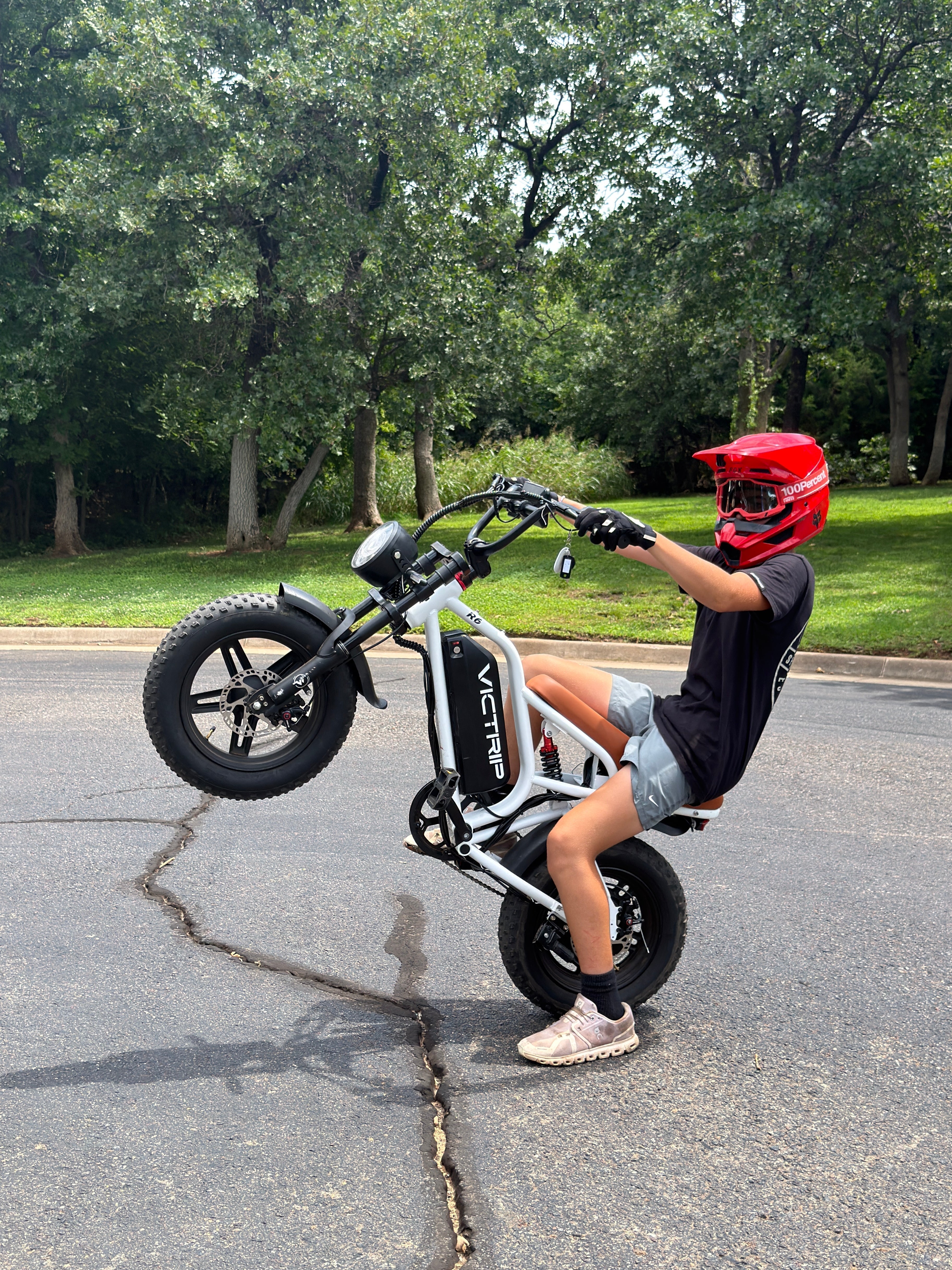
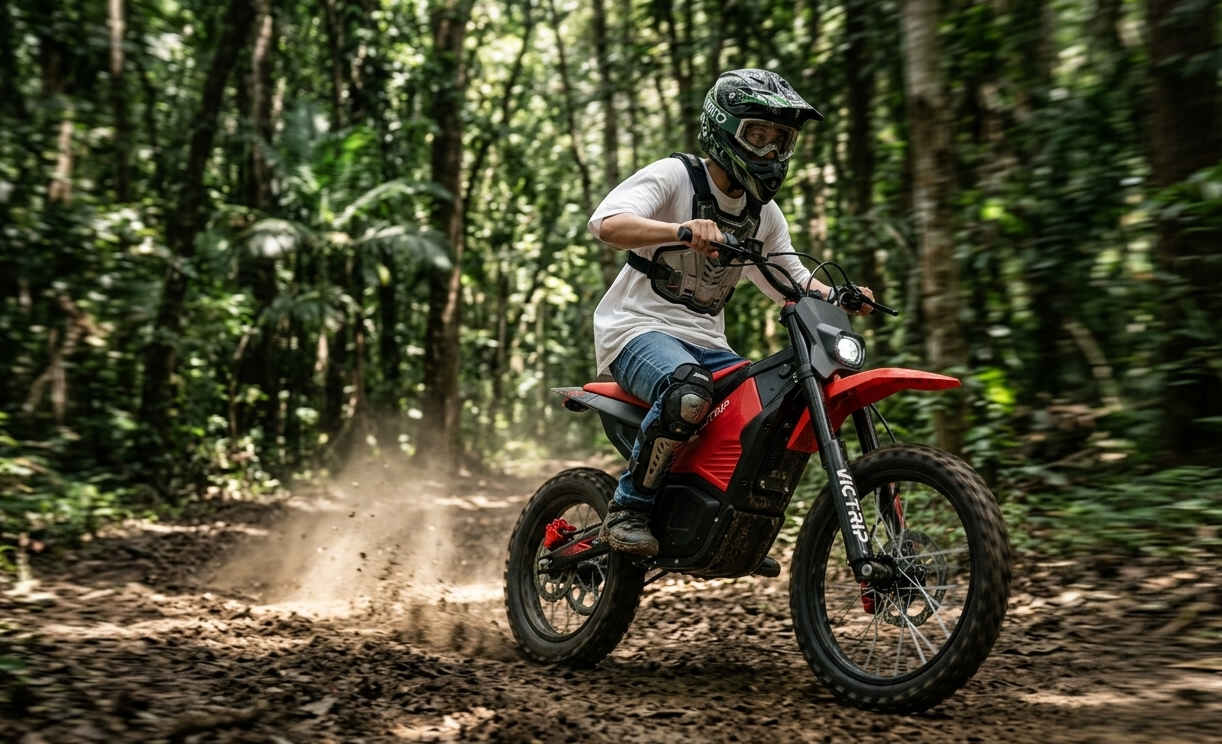
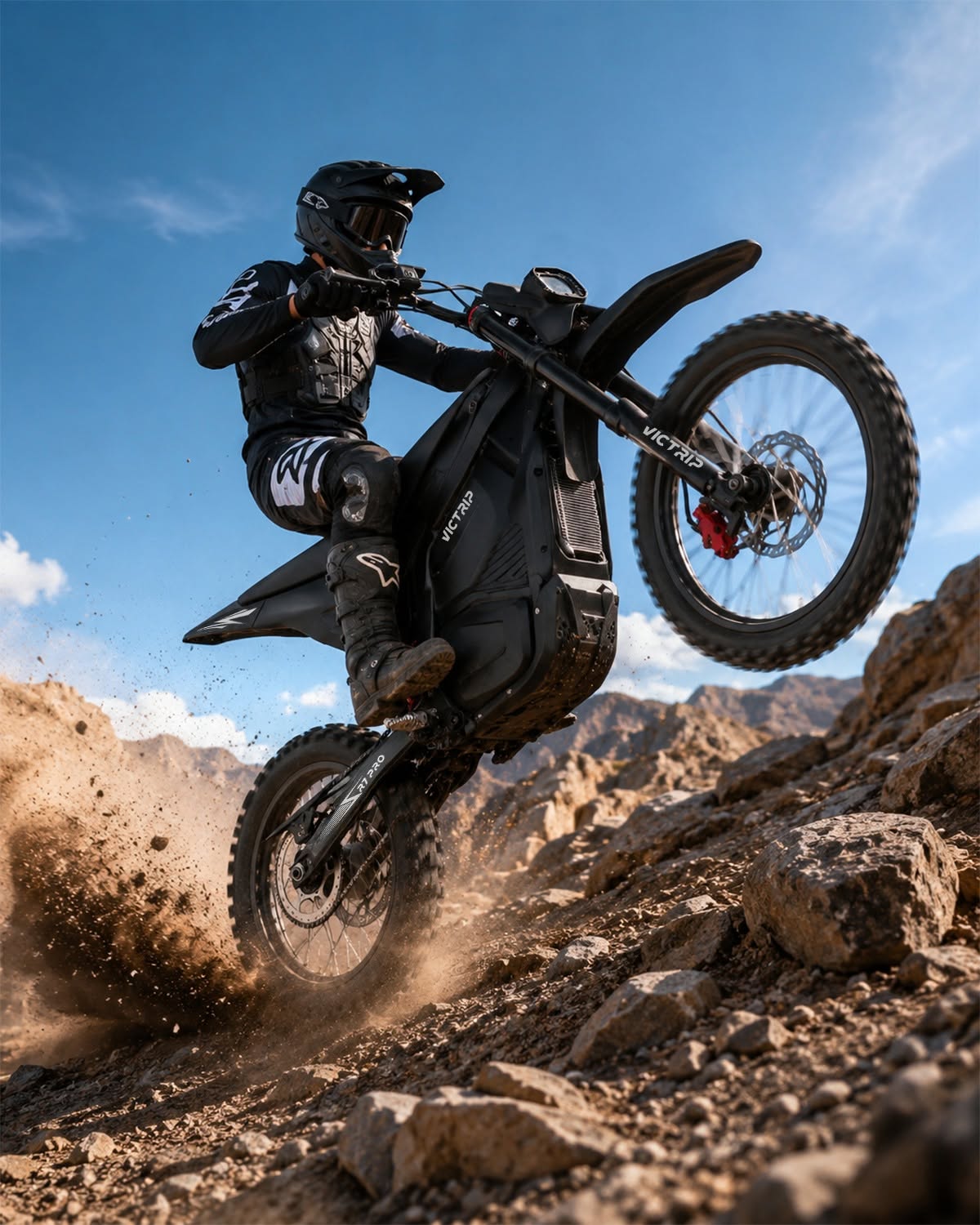
When evaluating a Fat Tire Electric Bike in the real world, it helps to look at brands that focus on practical riding needs rather than extreme specs alone. This is where VICTRIP Electric Bike naturally fits into the conversation.
VICTRIP Electric Bike models are designed around everyday usability — combining stable fat tire geometry, commuter-friendly features, and balanced motor output. Instead of chasing headline numbers, the brand emphasizes ride comfort, predictable handling, and durability, which are often more important for daily riders.
For example, many VICTRIP fat tire electric bikes prioritize:
-
Moderate-to-high torque motors suitable for hills and mixed terrain
-
Well-sized batteries that balance range and overall bike weight
-
Comfort-oriented frames, often with step-through options
-
Practical add-ons such as integrated lights, racks, and fenders
This makes VICTRIP Electric Bike a logical choice for riders who split their time between paved roads, gravel paths, and light off-road use. Riders who commute during the week and explore trails on weekends often find this balanced approach more realistic than ultra-aggressive off-road builds.
From a buyer’s perspective, VICTRIP Electric Bike also aligns well with the mid-range value segment of the fat tire e-bike market. These bikes typically avoid unnecessary complexity while still delivering the stability and traction fat tire electric bikes are known for.
In short, VICTRIP Electric Bike serves as a practical reference point for what many modern fat tire electric bikes aim to be: versatile, comfortable, and easy to live with over the long term.
Conclusion & Final Recommendations
A Fat Tire Electric Bike can be the perfect all-rounder for riders who want confidence on mixed surfaces, stable handling, and a comfortable ride. Decide first where you’ll ride most of the time, then prioritize motor type and battery Wh for that terrain. Choose a local dealer if you value hands-on support, and always test-ride multiple models if possible.
If you want a fast shortlist: go mid-range for balanced performance; aim for at least 500–600 Wh battery for daily use; choose hydraulic brakes; and pick tires that match your terrain.
FAQs
How much does a good fat tire e-bike cost?
Expect $1,800–$3,500 for a well-equipped, reliable model. Cheaper models exist but verify warranty and local service options.
Are fat tire e-bikes legal everywhere?
Laws vary — check local e-bike classifications and where Class 1/2/3 bikes are permitted. Many trails restrict motorized access.
How long do fat tire e-bike batteries last?
Battery life depends on Wh, riding style, and care. Expect 3–5 years of usable life with typical use; individual packs vary.
Is a mid-drive motor worth it on a fat tire e-bike?
If you ride steep hills or carry heavy loads frequently, yes — it gives better torque and gear leverage.
Can I put fat tires on a regular e-bike frame?
Usually no — fat tires require wider frames and forks for clearance. Look for frames designed for fat tires.
Do fat tire e-bikes require special maintenance?
Not especially, but expect more wear on tires and possibly wheels due to extra weight. Tubeless setups and stronger spokes are common.
Share:
Heavy Duty Electric Bikes for Big Riders: What to Look For
2026 Electric Bike (E-Bike) Law Changes You Need to Know