


Italian eBike rules are carefully structured to encourage eco-friendly transportation while maintaining road safety. As electric bicycles become increasingly common across Italian cities and countryside routes, understanding the legal framework is essential for both residents and visitors.
Italy follows EU-wide EPAC standards, meaning most compliant pedal-assist electric bikes are treated as traditional bicycles. However, small technical details—such as motor power, assisted speed, and riding behavior—can make a significant legal difference. Knowing these rules helps riders avoid fines, confiscation, or insurance issues.
What Is Considered an eBike Under Italian Law
Definition of an EPAC
Under Italian law, a legal electric bicycle is classified as an EPAC (Electronically Power Assisted Cycle). To qualify, the bike must:
-
Be equipped with functional pedals
-
Provide motor assistance only while pedaling
-
Use an electric motor with a maximum continuous power of 250W
If all three conditions are met, the bicycle is legally treated the same as a conventional bike under Italian eBike rules.
Pedal Assistance Explained
The motor must automatically stop providing assistance once the bike reaches 25 km/h (15.5 mph). This ensures eBikes remain human-powered vehicles rather than motor vehicles.
Any modification that removes this limitation can make the eBike illegal for public roads.
Power and Speed Limits for eBikes in Italy
Motor Power Restrictions
Italian eBike rules strictly limit motor output to 250 watts. This cap is non-negotiable. Bikes exceeding this limit fall into motorized vehicle categories and must follow moped or motorcycle regulations.
Maximum Assisted Speed
The assisted speed limit of 25 km/h applies across Italy. Riders can exceed this speed only through physical pedaling without motor support.
Types of Electric Bikes Allowed in Italy
Standard Pedal-Assist eBikes
These are the most widely accepted eBikes in Italy. They require:
-
No license
-
No registration
-
No insurance
Most urban commuters and leisure riders use this category.
Speed Pedelecs and Legal Differences
Speed pedelecs (up to 45 km/h) are not considered bicycles. They require:
-
Vehicle registration
-
Insurance
-
A valid driving license
-
Mandatory helmet use
For everyday riders, standard EPAC eBikes remain the most practical option.
Licensing, Registration, and Insurance Rules
If your eBike complies with Italian EPAC standards:
-
Licensing is not required
-
Registration is not required
-
Insurance is not required
This legal simplicity is one reason eBikes are rapidly replacing cars for short-distance travel in Italy.
Helmet Laws for eBike Riders
Italian eBike rules state:
-
Helmets are optional for standard eBikes
-
Helmets are mandatory for speed pedelecs
Even when not required, helmets are strongly recommended for safety.
Where You Can Ride an eBike in Italy
Urban Roads and Cycle Paths
Standard eBikes can be used on:
-
Public roads
-
Bicycle lanes
-
Shared pedestrian-cycle paths (unless restricted)
Local signage always takes priority.
Rural Roads and Trails
Access to trails depends on regional and environmental regulations. Some protected natural areas restrict electric assistance, even for legal eBikes.
Choosing a Compliant Electric Bike for Italy
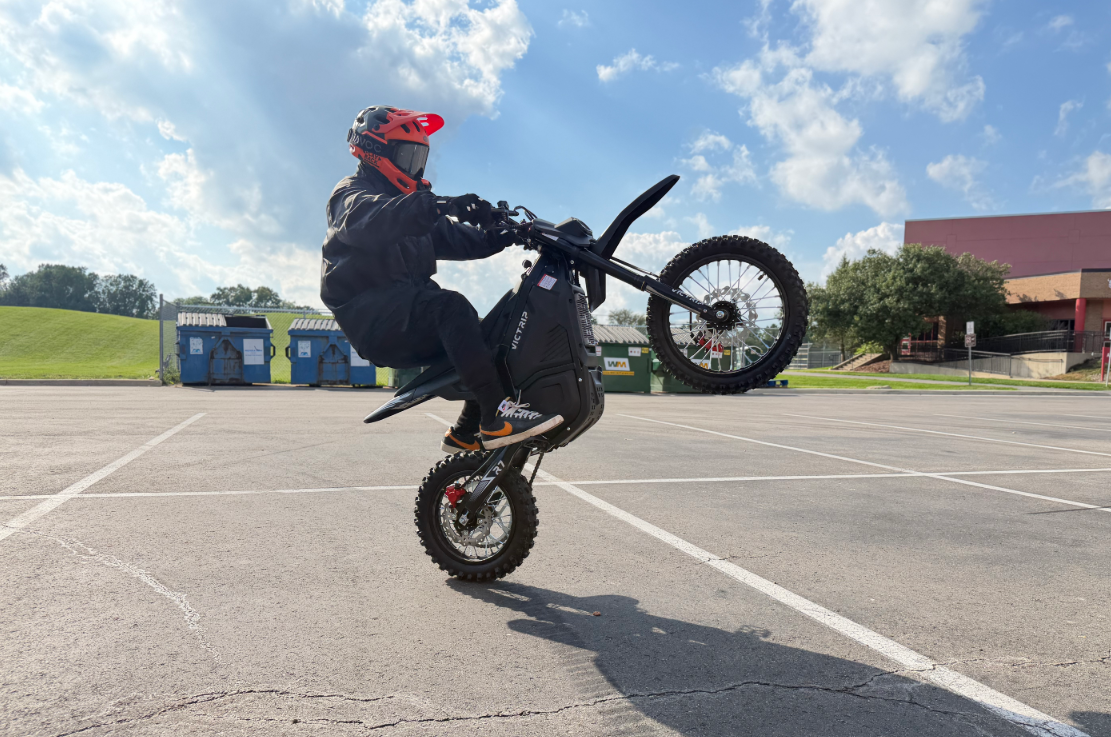
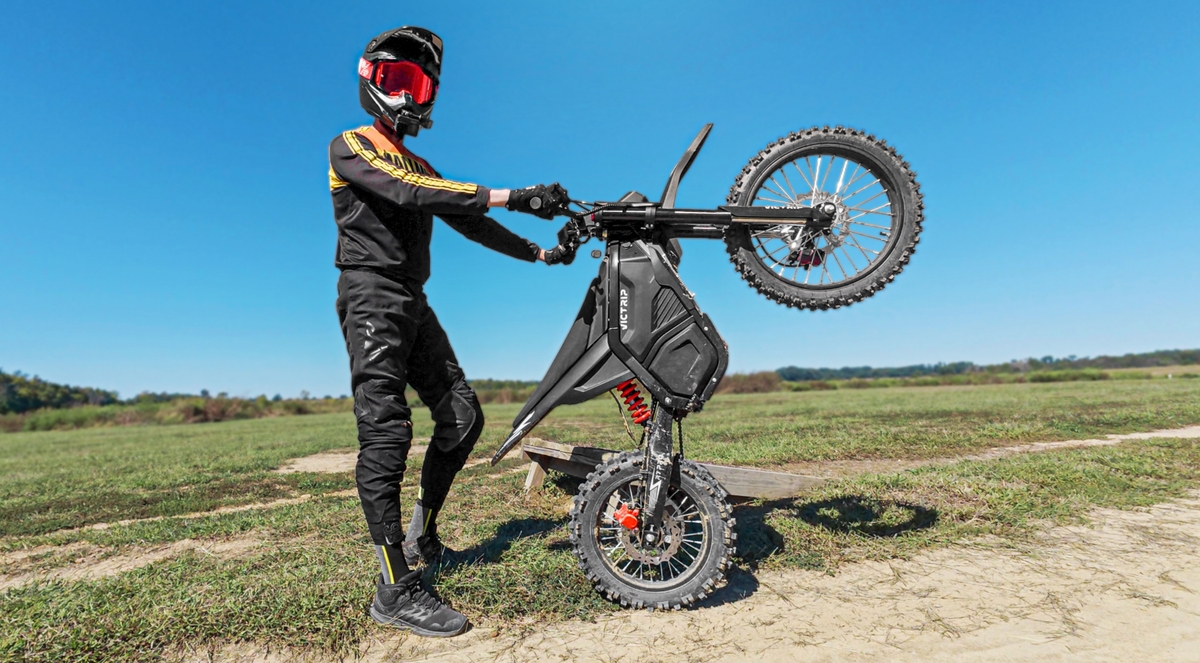
Selecting a legally compliant eBike is critical. A good example of a model designed around EU and Italian regulations is the VICTRIP Electric Bike lineup.
VICTRIP Electric Bikes are built to align with EPAC standards by offering:
-
250W motor configurations suitable for EU markets
-
Pedal-assist systems that cut off at 25 km/h
-
Reliable braking and lighting systems for urban safety
For riders who want a balance between performance and full legal compliance, VICTRIP Electric Bike models are designed to integrate smoothly into Italian traffic environments without crossing regulatory boundaries.
Safety Equipment Requirements
Italian eBike rules require:
-
Efficient front and rear brakes
-
White front light and red rear light
-
Reflectors for low-visibility conditions
These elements are standard on compliant electric bikes intended for the European market.
Fines and Penalties for Non-Compliance
Failing to follow Italian eBike rules may result in:
-
Fines between €165 and €661
-
Temporary or permanent confiscation of the bike
-
Reclassification as an illegal motor vehicle
Compliance is far cheaper than penalties.
Environmental and Urban Mobility Benefits
Italy actively promotes electric bicycles as part of its sustainability strategy. Legal eBikes reduce:
-
Urban congestion
-
Carbon emissions
-
Noise pollution
Compliant models such as the VICTRIP Electric Bike support this shift by encouraging responsible electric mobility within the law.
Conclusion
Italian eBike rules are clear, structured, and rider-friendly—provided you understand them. Choosing a compliant electric bicycle, respecting speed and power limits, and following local riding rules ensures a smooth and enjoyable experience across Italy.
With law-compliant options like the VICTRIP Electric Bike, riders can confidently enjoy electric mobility while staying fully within Italian regulations.
FAQs
1. Are VICTRIP Electric Bikes legal in Italy?
Yes, VICTRIP Electric Bike models designed for the EU market comply with Italian EPAC requirements when used in standard configurations.
2. Do I need insurance for a standard eBike in Italy?
No, insurance is not required for EPAC-compliant eBikes.
3. Can I use throttle-only mode?
Generally no. Motor assistance must depend on pedaling.
4. Are tourists allowed to ride eBikes in Italy?
Yes, tourists may ride legal eBikes without special permits.
5. Is night riding allowed?
Yes, provided proper lighting is installed and functional.
6. What happens if my eBike exceeds legal limits?
It may be treated as a motor vehicle, requiring registration, insurance, and a license.

Share:
European eBike Buying Mistakes to Avoid
How to Choose the Right eBike for European Roads?