


Electric bicycles are booming across the continent, and for good reason. They’re efficient, eco-friendly, and frankly, a lot of fun. However, European eBike rules can feel confusing if you’re new to the scene. The good news? Once you understand the basics, riding legally in Europe is pretty straightforward.
European lawmakers have worked hard to create consistent eBike regulations that balance innovation, safety, and sustainability. These rules apply across EU member states, with minor local variations. For beginners, knowing these standards upfront can save you money, prevent fines, and keep your rides stress-free.
In this guide, we’ll walk through everything step by step. We’ll cover power limits, speed restrictions, classifications, and real-world riding rules—all in plain English. By the end, you’ll know exactly how European eBike rules affect you and how to choose a bike that’s fully compliant.
Understanding European eBike Rules and Why They Matter
European eBike rules exist to ensure electric bicycles remain bicycles—not motorcycles in disguise. This distinction is crucial because it determines where you can ride, whether you need insurance, and what safety equipment is required.
What Counts as an eBike in Europe
Under EU law, a standard eBike is officially called an EPAC (Electronically Power Assisted Cycle). To qualify:
-
The motor must assist only when you pedal
-
Motor power must not exceed 250 watts
-
Assistance must cut off at 25 km/h (15.5 mph)
If your bike meets these criteria, it’s treated just like a regular bicycle under European eBike rules.
Why the EU Regulates Electric Bicycles
Without regulation, eBikes could easily blur into mopeds. The EU’s goal is consistency across borders. Whether you’re riding in France, Germany, or the Netherlands, the core European eBike rules remain the same. This makes cross-border travel simpler and safer for everyone involved.
According to the European Commission, harmonized standards also support sustainable transport and reduce urban congestion .
Power, Speed, and Motor Limits Explained
One of the most misunderstood aspects of European eBike rules is motor performance. Beginners often assume “more power is better,” but that’s not always true legally.
The 250W Power Rule
In Europe, 250 watts is the maximum continuous rated power for an eBike motor. This doesn’t mean your bike feels weak. Modern motors are incredibly efficient, and 250W is more than enough for city commuting and moderate hills.
Exceeding this limit pushes your bike into a different legal category, often requiring registration and insurance.
Speed Assistance Caps
European eBike rules clearly state that motor assistance must stop at 25 km/h. You can ride faster downhill or by pedaling harder, but the motor can’t help beyond this point.
This speed cap keeps eBikes compatible with bike lanes and shared paths, which is a huge advantage in crowded cities.
Pedal-Assist vs Throttle
Throttle-only eBikes are generally not allowed under standard European eBike rules. The motor must activate only when you’re pedaling. Some countries allow limited throttle use up to walking speed, but full throttles usually classify the bike as a moped.
eBike Classifications Across Europe
Understanding classifications helps you avoid buying the wrong bike.
EPAC (Pedelec) Definition
This is the most common and beginner-friendly category. EPACs follow all core European eBike rules and require:
-
No license
-
No registration
-
No insurance
You can ride them anywhere bicycles are allowed.
Speed Pedelecs (S-Pedelecs)
S-Pedelecs assist up to 45 km/h and exceed standard European eBike rules. As a result:
-
Helmet use is mandatory
-
Insurance is required
-
Registration is often required
-
Bike lane access may be restricted
These bikes are great for long commutes but not ideal for beginners.
Age, Licensing, and Helmet Requirements
This is where European eBike rules stay refreshingly simple—most of the time.
Minimum Age Rules
For standard EPAC eBikes, there is usually no minimum age set at the EU level. However, individual countries may recommend age limits for safety reasons.
When You Need a License or Insurance
If your eBike follows standard European eBike rules, you don’t need a driver’s license, insurance, or registration. The moment your bike exceeds power or speed limits, those requirements kick in fast.
Where You’re Allowed to Ride
One major benefit of complying with European eBike rules is freedom of movement.
Bike Lanes and Urban Roads
Legal eBikes can use:
-
Bicycle lanes
-
Shared-use paths
-
Urban roads
This makes commuting smoother and safer, especially in bike-friendly cities like Copenhagen and Amsterdam.
Rural and Cross-Border Riding
Because European eBike rules are standardized, you can cross borders without worrying about sudden legal changes. Still, it’s smart to check local signage and municipal rules.
Read More: How to Choose the Right eBike for European Roads?
Safety, Compliance, and CE Standards
Safety isn’t optional—it’s built into European eBike rules.
EN 15194 Standard
All compliant eBikes must meet EN 15194, which covers:
-
Electrical safety
-
Mechanical durability
-
Electromagnetic compatibility
This standard ensures your bike is safe, reliable, and road-legal.
Batteries and Charger Safety
Lithium-ion batteries must meet strict transport and safety requirements. Always use the manufacturer-approved charger, and avoid uncertified replacements.
Buying an eBike That’s Legal in Europe
This is where many beginners slip up.
What to Check Before You Buy
Before purchasing, confirm:
-
Motor rated at 250W
-
Assistance cut-off at 25 km/h
-
EN 15194 certification
-
Clear labeling from the manufacturer
If a deal sounds too good to be true, it probably violates European eBike rules.
Common Beginner Mistakes
-
Buying high-powered imports not certified for EU use
-
Assuming throttles are legal everywhere
-
Ignoring local helmet recommendations
A little research goes a long way.
VICTRIP eBike Expert Views
VICTRIP eBike Expert Views highlight that understanding European eBike rules isn’t just about legal compliance—it’s about long-term riding confidence and safety. “At VICTRIP, we’ve watched the European eBike market mature rapidly as regulations have become clearer and more standardized,” notes the VICTRIP expert team. “The 250W power limit and 25 km/h assistance cap strike a smart balance between performance and public safety. For beginners especially, choosing a fully compliant eBike from day one avoids legal risks, protects warranties, and ensures seamless riding across borders. We always advise riders to prioritize certified components, transparent motor specifications, and EU-approved safety standards to enjoy a reliable and future-proof eBike experience.”
TOP PICK
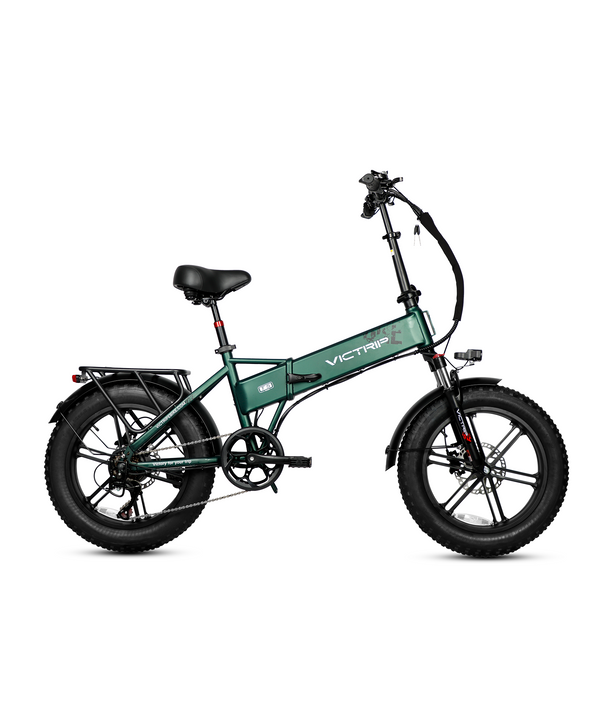
VICTRIP® T5 250W Lightweight Ebike
€999.00
Conclusion
European eBike rules are designed to make electric cycling accessible, safe, and consistent across borders. For beginners, the key is staying within the 250W power limit, respecting the 25 km/h speed cap, and choosing a certified bike.
Once you do that, you’re free to enjoy everything Europe has to offer—bike lanes, scenic routes, and stress-free commuting. Learn the rules once, follow them consistently, and you’ll ride with confidence wherever the road takes you.
FAQs
Are European eBike rules the same in every country?
Mostly yes. Core rules are EU-wide, but local variations exist.
Can tourists bring eBikes into Europe?
Yes, as long as the bike meets European eBike rules.
Do I need insurance for a 250W eBike?
No, insurance isn’t required for standard EPAC eBikes.
Are folding eBikes treated differently?
No. Folding eBikes follow the same European eBike rules.
Is helmet use mandatory?
Usually no for EPACs, but it’s strongly recommended.

Share:
Best Folding eBikes for European Public Transport
Best eBikes for European Seniors and Casual Riders