


High-end e-bikes aren’t just about flashy frames or oversized batteries. They’re about how the bike responds to you. One defining feature separates premium electric bicycles from entry-level models: torque sensors. If you’ve ever wondered why high-end e-bikes always feature torque sensors, the answer lies in ride quality, efficiency, safety, and long-term value.
Unlike basic e-bikes that simply turn the motor on or off, torque-sensor-equipped models respond dynamically to how hard you pedal. This subtle but powerful difference transforms the riding experience. In fact, within the first few minutes of riding, most people can instantly feel why high-end e-bikes always feature torque sensors.
Let’s break it all down in simple terms—no engineering degree required.
Understanding Torque Sensors in E-Bikes
What a Torque Sensor Measures
A torque sensor measures how much force you apply to the pedals. The harder you push, the more assistance the motor provides. Ease up, and the motor eases up too. It’s a continuous, real-time conversation between rider and machine.
This technology is widely used in premium cycling and robotics systems and has become the gold standard for high-end e-bikes. According to general engineering principles outlined in resources like Wikipedia’s torque sensor overview, torque sensing allows for precise force measurement, which is critical for smooth mechanical assistance.
How Torque Sensors Differ from Cadence Sensors
Cadence sensors only detect whether the pedals are turning. That’s it. Pedal lightly or pedal hard—the motor responds the same way. While cadence sensors are cheaper, they feel less refined.
Torque sensors, on the other hand:
-
React instantly
-
Scale power smoothly
-
Feel intuitive and natural
-
Improve efficiency dramatically
That’s a major reason why high-end e-bikes always feature torque sensors instead of basic cadence systems.
Read More: Cadence Vs Torque Sensor: Which Should You Choose for Your Next E-Bike?
The Evolution of High-End E-Bike Technology
From Throttle-Driven to Intelligent Assistance
Early e-bikes felt more like electric scooters. You pushed a button, and the motor kicked in aggressively. Fun at first, sure—but not practical or efficient.
As riders demanded better control, manufacturers shifted toward intelligent pedal-assist systems. Torque sensors became the backbone of this evolution.
Why Premium Brands Abandoned Basic Sensors
Premium brands realized something important: riders don’t want to fight the bike. They want it to cooperate. Torque sensors allow the bike to understand intent, not just motion.
That’s why today, high-end e-bikes always feature torque sensors as a standard, not an upgrade.
Reason 1: Natural Riding Feel That Mimics a Traditional Bike
Instant Power Response Explained
When you press harder on the pedals, power flows instantly. No lag. No surge. No awkward delay. It feels eerily similar to riding a traditional bicycle—just faster and easier.
This is often the first thing riders notice and the main reason they say they’ll “never go back.”
Rider Effort Equals Motor Effort
Torque sensors ensure proportional assistance. Pedal gently for cruising. Pedal hard for hills or sprints. The bike mirrors you.
That harmony explains why high-end e-bikes always feature torque sensors for riders who value authenticity.
Reason 2: Superior Energy Efficiency and Battery Range
Smarter Power Distribution
Torque sensors don’t waste energy. They only provide what’s needed. That means:
-
Longer range
-
Fewer charging cycles
-
Better performance per watt
Reduced Energy Waste
Cadence-based systems often dump excess power. Torque sensors avoid that. Over time, this efficiency translates into real savings and better sustainability.
This efficiency advantage is another core reason why high-end e-bikes always feature torque sensors.
Reason 3: Enhanced Safety and Control
Precision Power on Slopes and Turns
On hills, torque sensors shine. The motor increases output gradually as you apply force, preventing sudden jerks that can throw off balance.

Safer Starts and Stops
At intersections or crowded paths, torque sensors provide smooth takeoffs. No surprise lunges. No loss of control.
Safety isn’t optional in premium bikes—and that’s exactly why high-end e-bikes always feature torque sensors.
Reason 4: Premium Riding Experience for All Skill Levels
Beginners Benefit Instantly
New riders often feel intimidated by aggressive motors. Torque sensors make learning easy. The bike responds gently and predictably.
Advanced Riders Gain Performance
Experienced cyclists appreciate how torque sensors amplify effort without replacing it. You’re still riding—you’re just supercharged.
This universal appeal explains why high-end e-bikes always feature torque sensors across categories.
Reason 5: Long-Term Durability and Lower Wear
Reduced Drivetrain Stress
Because power delivery is smooth, chains, gears, and cassettes last longer. There’s less shock loading and fewer sudden force spikes.
Optimized Motor Longevity
Motors benefit too. Controlled output reduces heat and internal stress, extending lifespan.
Durability is a hidden but powerful reason why high-end e-bikes always feature torque sensors.
Reason 6: Why High-End E-Bikes Command Higher Prices
Cost of Advanced Engineering
Torque sensors require:
-
Precision manufacturing
-
Advanced calibration
-
Complex software integration
That engineering costs more—but it delivers exponentially better performance.
Value Over Time
When you factor in efficiency, durability, and ride satisfaction, torque-sensor e-bikes often cost less over their lifetime.
That’s why informed buyers understand why high-end e-bikes always feature torque sensors despite higher upfront prices.
Reason 7: Torque Sensors and the Future of Smart E-Bikes
AI Integration and Adaptive Learning
Modern systems learn rider behavior. Over time, assistance becomes even smoother and more personalized.
Seamless Urban and Trail Riding
From city commuting to weekend adventures, torque sensors adapt instantly. One bike. Endless scenarios.
Future-forward design is yet another reason why high-end e-bikes always feature torque sensors.
Product Spotlight: Mimas Step-Through E-Bike
A great real-world example of torque-sensor technology done right is the Mimas Step-Through E-Bike. Designed for comfort, control, and everyday practicality, it demonstrates how premium assistance transforms daily riding.
The step-through frame improves accessibility, while the torque-sensing pedal assist ensures smooth, intuitive power delivery—ideal for commuting, leisure rides, or extended trips.
This model perfectly illustrates why high-end e-bikes always feature torque sensors to deliver a refined, confidence-inspiring ride.
TOP PICK
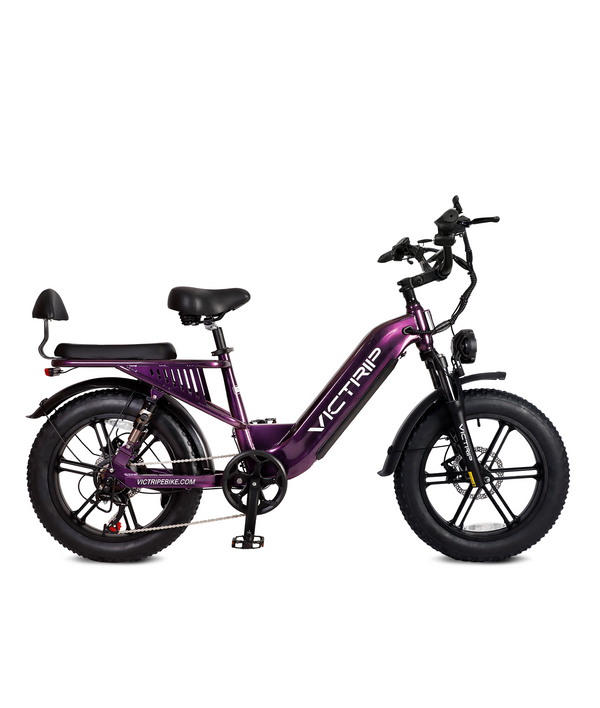
VICTRIP® Mimas Electric Bicycles With Torque Sensors
$1,399.00
Conclusion
So, why high-end e-bikes always feature torque sensors? Because they deliver control, efficiency, safety, durability, and pure riding pleasure. They transform electric biking from a mechanical experience into an intuitive partnership between rider and machine.
Once you ride a torque-sensor-equipped e-bike, the difference isn’t subtle—it’s undeniable. And that’s why, at the premium end of the market, torque sensors aren’t optional. They’re essential.
FAQs
1. Are torque sensors better than cadence sensors?
Yes. Torque sensors offer smoother power, better efficiency, and a more natural ride feel.
2. Do torque sensors increase battery range?
Absolutely. They only deliver power when needed, reducing energy waste.
3. Are torque-sensor e-bikes harder to maintain?
No. In fact, they often reduce wear on components due to smoother power delivery.
4. Are torque sensors good for beginners?
Yes. They provide predictable, gentle assistance that builds confidence quickly.
5. Why don’t all e-bikes use torque sensors?
Cost. Torque sensors are more expensive to manufacture and integrate.
Share:
Electric Bike Frame Types Explained
Are Torque Sensors Better for Hilly Rides?