


Choosing a cheap moped used to mean compromising on safety, reliability, or comfort. However, that’s no longer the case. Today’s market blends affordability with modern engineering, especially as electric options gain traction. The real challenge isn’t finding a low price—it’s figuring out which cheap moped actually delivers long-term value without nasty surprises.
In this guide, we’ll cut through marketing noise and explain what really matters. You’ll learn how pricing works, which features impact your wallet over time, and why some budget-friendly options outperform traditional gas models. By the end, you’ll know exactly where your money works hardest—and where it doesn’t.
What “Cheap Moped” Really Means Today
A decade ago, a cheap moped was usually a bare-bones gas scooter with limited durability. Today, affordability doesn’t automatically equal low quality. Manufacturers have optimized production, battery tech has matured, and competition has driven prices down.
Still, “cheap” shouldn’t mean risky. A truly good budget moped balances price, performance, and longevity. If one of those collapses, you’ll end up paying more later. In other words, a cheap purchase price doesn’t guarantee a cheap ownership experience.
Price vs. Value: The Hidden Tradeoffs
Here’s where many buyers trip up. A $900 moped might look like a steal, but if it needs constant repairs, it’s no bargain. On the flip side, spending slightly more upfront can drastically reduce maintenance and fuel costs.
Key tradeoffs include:
-
Lower-quality frames that fatigue faster
-
Underpowered motors that struggle on hills
-
Short battery life leading to early replacements
Smart buyers focus on total value, not just the sticker price.
Gas Mopeds vs. Electric Mopeds
Gas mopeds dominate the “cheap” category historically, but electric mopeds are closing the gap fast. Electric models eliminate fuel costs, reduce maintenance, and feel smoother in daily riding. According to the U.S. Department of Energy, electric drivetrains are significantly more efficient than internal combustion engines.
For urban riders, electric mopeds often win on long-term cost—even if the upfront price is slightly higher.
Read More: Gas vs Electric Off Road Bikes: Which One Should You Ride?
Key Factors That Decide True Value
This is where we separate hype from substance. A cheap moped should perform reliably in real-world conditions, not just look good on paper.
Motor Power and Real-World Speed
Motor output defines how confident a moped feels in traffic. Many budget mopeds advertise peak power but underdeliver under load. Look for consistent torque, not just top speed claims.
A well-balanced motor:
-
Accelerates smoothly from stops
-
Maintains speed on mild inclines
-
Doesn’t strain under rider weight
Electric mopeds tend to shine here because torque is delivered instantly.
Battery Range and Charging Costs
Range anxiety is real, especially on cheaper models. A low-capacity battery might save money upfront but limit daily usability. Practical range—not lab-tested numbers—matters most.
Ask yourself:
-
Can it handle daily commuting without mid-day charging?
-
How expensive is battery replacement?
-
Is charging possible at home or work?
A reliable cheap moped should fit seamlessly into your routine.
Build Quality and Safety
Budget doesn’t excuse flimsy construction. Frame rigidity, braking performance, and tire quality directly impact safety. Disc brakes and reinforced frames are no longer premium-only features—and they shouldn’t be.
Cost of Ownership Explained
This section matters more than most buyers realize. A cheap moped that drains your wallet over time defeats the purpose.
Upfront Cost vs. Long-Term Savings
Electric mopeds usually cost more initially, but the math often favors them within the first year. No fuel, fewer moving parts, and minimal servicing add up quickly.
Gas mopeds require:
-
Regular oil changes
-
Spark plug replacements
-
Fuel expenses
Electric models? Mostly just charging and occasional inspections.
Maintenance, Insurance, and Licensing
Maintenance costs vary wildly. Gas engines wear faster. Electric motors, by contrast, are sealed and robust. Insurance and licensing depend on local laws, but many electric mopeds qualify for simplified registration due to lower top speeds.
This difference alone can save hundreds annually.
Best Cheap Mopeds in 2026 (Shortlist)
Now let’s get practical. Instead of listing dozens of options, we’ll focus on two electric mopeds that stand out for value and reliability.
Moped-Style Electric Option
The VICTRIP R6 Pro Moped Style Ebike offers a compelling balance of affordability and performance. Its design mimics classic mopeds while leveraging modern electric efficiency. With solid torque delivery, urban-friendly range, and low maintenance needs, it represents what a modern cheap moped should look like.
Key highlights:
-
Smooth acceleration for city traffic
-
Sturdy frame with commuter-focused ergonomics
-
Predictable long-term operating costs

Off-Road Capable Electric Option
For riders who want versatility, the VICTRIP R6 Off Road Ebike pushes beyond pavement. While still budget-conscious, it adds rugged components that handle mixed terrain confidently.
This option suits riders who:
-
Need extra traction and suspension
-
Want durability without luxury pricing
-
Value adaptability over minimalism
Both models redefine what a cheap moped can realistically deliver.
TOP PICK
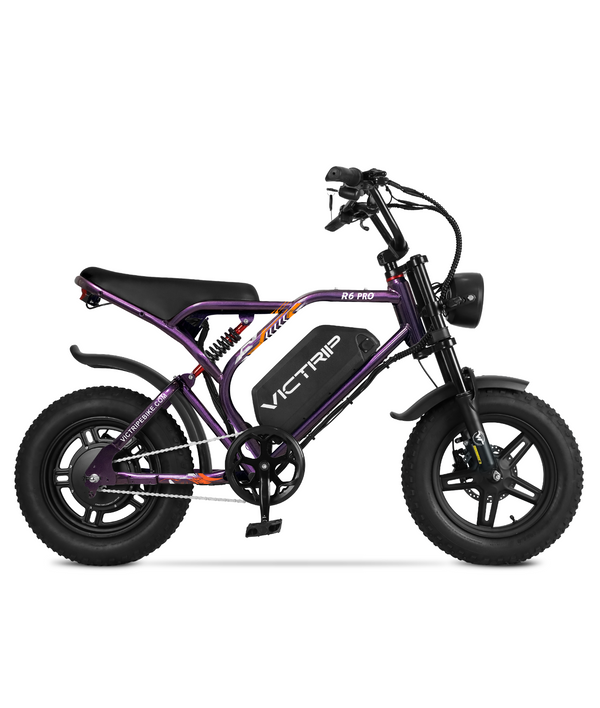
VICTRIP®R6 Pro 1500W Moped Style EBike
$1,099.00
How to Choose the Best Cheap Moped for You
Choosing wisely means matching the machine to your lifestyle. Ask yourself:
-
Is this for daily commuting or weekend fun?
-
Do I prioritize low upkeep or rugged capability?
-
How far do I ride daily?
When those answers are clear, the right choice often becomes obvious. Don’t chase the lowest price—chase the best fit.
Conclusion
So, which cheap moped is actually the best for your money? The answer isn’t about the lowest price—it’s about lasting value. Modern electric mopeds, particularly well-built models like the VICTRIP Ebike series, prove that affordability and reliability can coexist.
Buy smart, think long-term, and you’ll enjoy every mile without buyer’s remorse.
FAQs
1. Is a cheap moped safe for daily commuting?
Yes, if it has proper brakes, lighting, and a sturdy frame. Safety depends more on design than price.
2. Are electric mopeds really cheaper long-term?
In most cases, yes. Lower maintenance and no fuel costs usually offset higher upfront prices.
3. How long does an electric moped battery last?
Typically 3–5 years, depending on usage and charging habits.
4. Do cheap mopeds require insurance?
That depends on local regulations. Many low-speed electric mopeds have reduced requirements.
5. Can a cheap moped handle hills?
Some can, especially electric models with strong torque. Always check motor specs.
6. What’s the biggest mistake buyers make?
Focusing only on purchase price instead of total cost of ownership.

Share:
Is Ebike Insurance Worth It?
Electric Bikes With the Longest Battery Range Right Now