


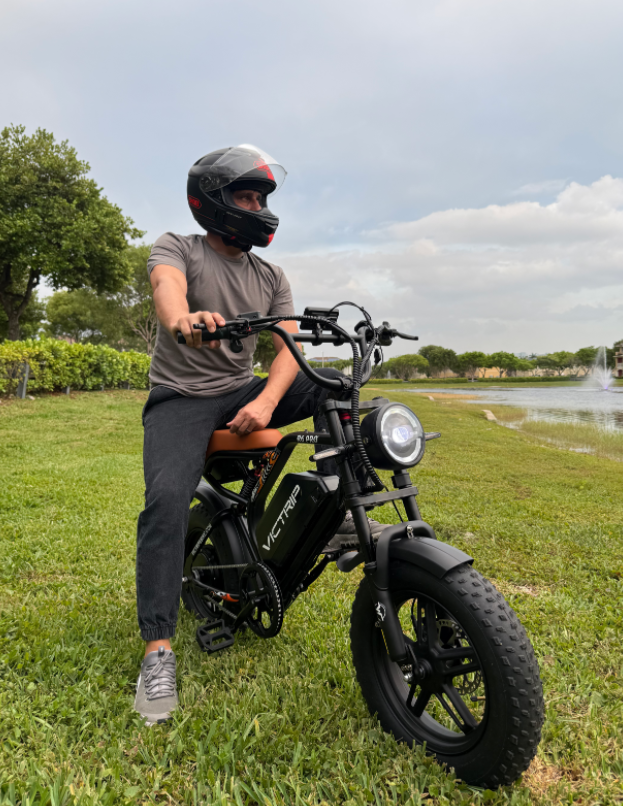
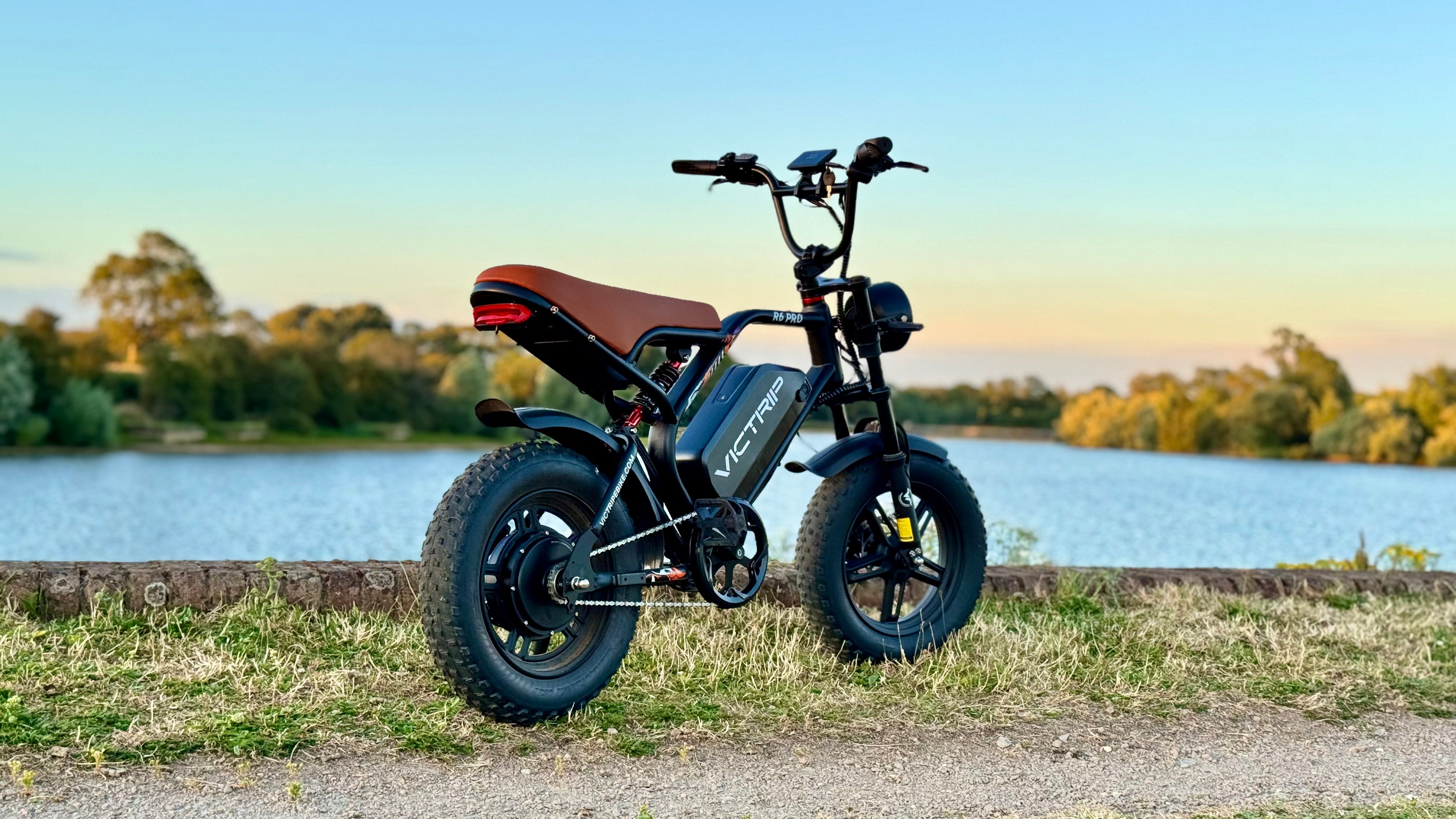
High-powered electric bikes are drawing growing attention from adventure riders and enthusiasts looking for strong acceleration, heavy-duty frames, and off-road capability. In market discussions, people often refer to extra-powerful or high-speed models as a “Class 4 ebike.” However, unlike Class 1, Class 2, and Class 3 e-bikes, “Class 4” is not a uniform statutory bicycle class across U.S. states.
Once an electric two-wheeler exceeds standard low-speed e-bike power or speed thresholds, it may no longer qualify as a standard bicycle under state or local law—and can fall under moped, motor-driven cycle, motorcycle, or off-road/private-use rules instead. In this guide, we look at how high-powered models compare to standard e-bike classes, what specifications matter, where rules tighten up, and how to approach safety and compliance.
Understanding E-Bike Classes vs. High-Power Models
Most U.S. states that use a tiered e-bike framework rely on three standard classes (typically paired with a 750W continuous motor rating threshold and operable pedals, subject to state and local rules):
| Category / Class | Typical Speed Cap | Pedal Assist | Throttle | Typical Path & Road Context |
| Class 1 | 20 mph | Yes | No | Often permitted on bike paths and multi-use trails (check local rules) |
| Class 2 | 20 mph | Yes | Yes | Often permitted on many paths/roads, with some trail/park throttle limits |
| Class 3 | 28 mph | Yes | Varies by state | More restrictions on multi-use paths; often stricter age/helmet rules |
| High-Power / "Class 4" Label | Exceeds standard limits | Varies | Varies | Not a uniform legal e-bike class; may be restricted to private/off-road areas or regulated as a motor vehicle |
What People Mean by "Class 4"
In retail and enthusiast circles, “Class 4” is commonly used as an informal label for high-output electric bikes or electric dirt/moto-style models that push past typical 750W / 20–28 mph e-bike boundaries. Because state definitions vary, a vehicle labeled “Class 4” is not automatically street-legal as a bicycle or allowed on bike paths.
Technical Specifications to Look At
When evaluating high-powered electric bikes, look closely at real-world specs and how ratings are stated:
-
Nominal vs. Peak Power: Manufacturers often list both continuous/rated motor power and short-term peak power (used during climbing or acceleration). Legal thresholds generally look at continuous rated output and maximum assisted/motor speed rather than peak spikes alone.
-
Battery & Range: High-output motors draw more current, so larger-capacity lithium-ion packs are common. Actual range varies widely depending on rider weight, terrain, elevation gain, wind, speed, and assist level.
-
Frame & Braking: Higher speeds and heavier builds place greater demands on frame stiffness, suspension tuning, and hydraulic disc brakes, along with tires suited to the intended surface.
Legal Status, Licensing, and Where You Can Ride
-
Licensing, Registration & Insurance: Standard Class 1–3 e-bikes generally do not require a driver’s license, registration, or motor-vehicle insurance in most states (though specific state rules vary and some jurisdictions have stricter requirements). By contrast, vehicles that exceed standard e-bike power or speed limits may be treated as mopeds, motor-driven cycles, or motorcycles—potentially requiring licensing, registration, or insurance where permitted on public roads.
-
Public Roads, Bike Lanes & Trails:
| Area / Setting | General Rule of Thumb |
| Bike Lanes & Multi-Use Paths | Typically restricted to compliant low-speed e-bikes; high-power/high-speed models are often prohibited |
| Public Roads | Depends on state/local vehicle definitions and equipment rules; non-compliant models may not be legal on public streets |
| Private Land / Tracks | Allowed only with permission from the property owner or track operator |
| Public Off-Road Trails / Parks | Governed by local land, park, or trail managers; check posted rules and motor/vehicle restrictions before riding |
Safety, Gear, and Rider Fit
High-powered models deliver stronger torque and faster acceleration than standard commuter e-bikes, which increases stopping distances and handling demands:
-
Experience Level: High-torque, higher-speed machines are generally better suited to experienced riders rather than beginners.
-
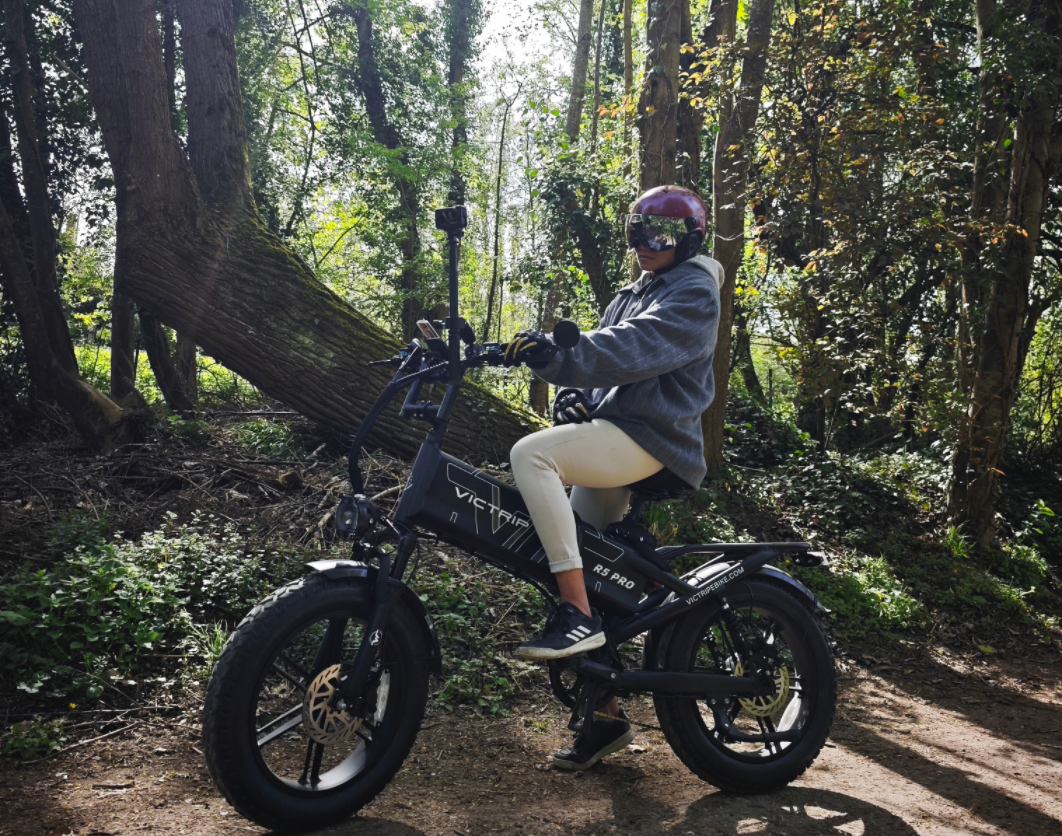
Protective Gear: Wear a properly fitted helmet appropriate for your riding speed and local laws (such as CPSC/ASTM-certified bike helmets for standard cycling or DOT-approved helmets where required for higher-speed/motorized categories), plus gloves, eye protection, and impact protection for off-road riding.
-
Maintenance & Modifications: Inspect brakes, tires, fasteners, and battery condition regularly. Modifying speed limiters or controllers can push a bike outside legal boundaries and void warranty coverage.
Common Use Cases & Trade-Offs
-
Off-Road & Private/Approved Trails: Strong torque and suspension can help on steep grades or rough terrain where permitted.
-
Everyday Commuting: Often heavier, bulkier, and more prone to legal or path restrictions than standard Class 1–3 commuter e-bikes.
-
Weight & Ownership: Heavier frames and larger batteries make lifting, loading, and storage harder, and higher-output components can require more frequent brake and drivetrain upkeep.
Conclusion
“Class 4” is best understood as an informal label for high-power electric bikes beyond standard e-bike limits rather than an official legal class. If you ride higher-output models, pay close attention to continuous power vs. peak power, local vehicle definitions, trail/road permissions, and proper protective gear so every ride stays safe and within the rules.
Disclaimer: This guide is for general informational purposes only and does not constitute legal or safety advice. Rules governing electric bikes, high-powered electric two-wheelers, speed and wattage limits, licensing, registration, helmets, and road or trail access vary by country, state, and local municipality—and may change over time. Always verify current local regulations, venue permissions, and product specifications before riding.
FAQs
Is “Class 4” an official legal e-bike class?
No. Most states that use a class system define Class 1, Class 2, and Class 3 e-bikes; “Class 4” is typically an informal industry or rider term for higher-power or higher-speed models that may fall outside standard e-bike definitions.
Are high-powered (“Class 4”) e-bikes street legal?
Not automatically. Legality depends on your state and local laws, how the vehicle’s power, speed, pedals, and motor operation are defined, and whether it meets applicable equipment, licensing, registration, or insurance rules.
Can beginners ride high-powered electric bikes?
They are generally not recommended for beginners because stronger acceleration, higher speeds, and heavier weight require quicker braking and handling skills.
Where can you ride high-powered electric bikes?
Rules vary by location. You generally need permission from the owner or operator for private property, and you must check local ordinances and park or trail rules before riding on public roads, paths, or off-road areas.
Share:
Ebikes Vs Scooters: Which Is Smarter for Teens?
Best Time to Buy an Electric Tricycle: When to Get the Best Deals