

Electric bikes have quickly become one of the most popular transportation options worldwide. More riders are choosing e-bikes because they offer a convenient balance between traditional cycling and motor-powered transportation.
For beginners, an entry level electric bike is often the perfect starting point. These models are designed to provide essential electric assistance without the high price tag of premium e-bikes. They allow new riders to experience the benefits of electric mobility while keeping the investment practical.

Unlike expensive performance-focused models, entry level electric bikes usually focus on reliability, comfort, and everyday usability. They are built for commuting, neighborhood rides, casual adventures, and short-distance transportation.
Whether you’re looking for a greener way to travel, a cheaper alternative to driving, or a simple way to enjoy cycling again, an entry level electric bike can be an excellent choice.
Modern entry level models now include many features once found only on expensive bikes, including:
- Reliable brushless motors
- Long-lasting lithium batteries
- Comfortable frame designs
- Multiple pedal-assist levels
- LED displays
- Disc brakes
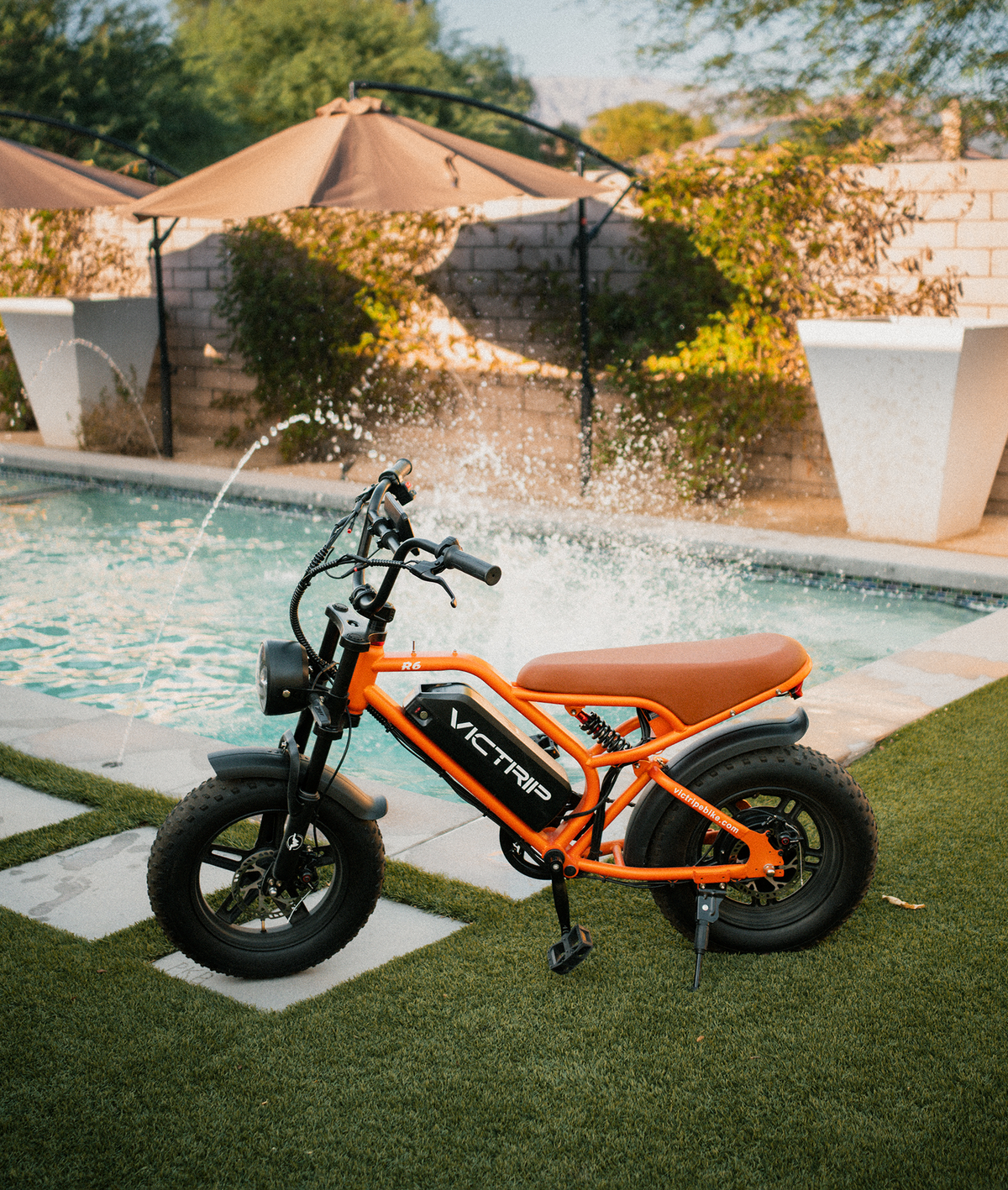
- Fat tires on some models
With the right knowledge, choosing your first electric bike doesn’t have to feel complicated. Understanding the important features and knowing what to look for can help you find a model that matches your lifestyle.
What Is an Entry Level Electric Bike?
An entry level electric bike is an affordable e-bike designed for beginners and everyday riders who want electric assistance without paying for advanced professional features.
These bikes usually include a moderate motor, practical battery range, comfortable riding geometry, and essential safety components. They are not designed primarily for extreme racing or demanding off-road performance. Instead, they focus on providing dependable transportation for daily use.
Most entry level electric bikes typically feature:
| Feature | Common Specification |
|---|---|
| Motor Power | 250W–750W |
| Battery Type | Lithium-ion |
| Riding Range | 20–60 miles |
| Speed | Depends on local regulations |
| Frame Style | Step-through, commuter, hybrid |
| Riding Purpose | City riding, commuting, recreation |
The main goal of an entry level electric bike is accessibility. Riders can enjoy longer trips, easier uphill climbs, and less physical effort compared with traditional bicycles.
These bikes are especially popular among:
- First-time e-bike buyers
- Daily commuters
- Students
- Older riders
- Casual cyclists
- People looking for affordable transportation
An entry level electric bike doesn’t mean poor quality. It simply means the bike offers practical features instead of premium upgrades designed for specialized riders.
Who Should Consider an Entry Level E-Bike?
An entry level electric bike is ideal for riders who want a simple and enjoyable riding experience.
It’s a great option if you:
- Want to replace short car trips
- Need an affordable commuting solution
- Are new to electric bicycles
- Prefer comfortable, relaxed riding
- Want to reduce transportation costs
- Enjoy weekend outdoor activities
Many beginners worry that riding an e-bike will be complicated. However, modern designs make the experience very simple. Most models allow riders to select pedal-assist levels and control the amount of motor support they receive.
For example, riders can choose lower assistance when they want exercise or increase assistance when climbing hills or traveling longer distances.
This flexibility makes entry level electric bikes suitable for a wide range of lifestyles.
Key Features of Entry Level Electric Bikes
Motor Power and Performance
The motor is one of the most important components of any electric bike. It determines how much assistance you receive while riding.
Entry level electric bikes commonly use hub motors because they are reliable, affordable, and easy to maintain.
Common motor options include:
- 250W motors for lightweight commuting
- 500W motors for stronger acceleration
- 750W motors for riders who need extra power
A higher wattage motor can provide better hill-climbing ability and stronger performance, but it may also increase weight and energy consumption.
When selecting an entry level electric bike, consider where you plan to ride.
Flat city streets usually require less power, while areas with hills or uneven roads may benefit from a stronger motor.
Motor performance also depends on:
- Rider weight
- Terrain conditions
- Battery voltage
- Tire size
- Riding style
A well-balanced motor and battery combination is often more important than simply choosing the highest wattage available.
Battery Capacity and Riding Range
The battery determines how far an electric bike can travel before needing a recharge.
Most entry level electric bikes use lithium-ion batteries because they provide:
- Lightweight design
- Long lifespan
- Fast charging
- Reliable performance
Battery capacity is measured in watt-hours (Wh). A larger battery generally provides a longer riding range.
Factors affecting range include:
- Rider weight
- Speed
- Terrain
- Weather
- Assist level
- Tire pressure
A commuter riding mostly on flat roads may achieve a longer range than someone riding uphill with maximum assistance.
Before purchasing an entry level electric bike, think about your typical daily distance. Choosing a battery that comfortably exceeds your normal riding needs is a smart decision.
A larger range provides more freedom and reduces concerns about running out of power during longer trips.
Frame Design and Riding Comfort
Comfort plays a major role when choosing an entry level electric bike. Since these bikes are often used for commuting and casual riding, manufacturers focus on creating designs that are easy and enjoyable to ride.
Common frame styles include:
Step-Through Frames
Step-through frames are popular among beginners because they make mounting and dismounting easier. Riders do not need to lift their leg over a high top tube, which improves accessibility.
They are especially useful for:
- Daily commuting
- Older riders
- Riders wearing work clothes
- Short-distance transportation
Traditional Diamond Frames
Diamond frames provide strong structural support and are commonly found on commuter and hybrid e-bikes. They usually offer a sportier riding position and improved frame stiffness.
Adjustable Components
Many entry level electric bikes include adjustable features such as:
- Handlebar height
- Seat position
- Saddle angle
These adjustments help riders create a more comfortable riding position and reduce pressure on the back, shoulders, and wrists.
A comfortable bike encourages riders to use it more often. After all, the best electric bike is the one you actually enjoy riding.
Braking Systems and Safety Features
Safety should always be a priority when selecting an electric bike. Since e-bikes are heavier and faster than traditional bicycles, reliable braking performance is essential.
Most entry level electric bikes use one of these braking systems:
| Brake Type | Advantages |
|---|---|
| Mechanical Disc Brakes | Affordable and easy to maintain |
| Hydraulic Disc Brakes | Stronger stopping power and smoother control |
| Rim Brakes | Lightweight and simple design |
For most beginner riders, disc brakes provide a good balance between performance and cost.
Other important safety features include:
- Front and rear lights
- Reflective elements
- Bell or horn
- Brake cutoff sensors
- Strong frame construction
A quality entry level electric bike should provide confidence during different riding conditions, including wet roads and busy streets.
Tires and Suspension Options
Tires greatly affect riding comfort and performance. Different tire sizes are designed for different environments.
Standard Tires
Standard tires are commonly used for:
- City streets
- Bike paths
- Smooth pavement
They provide efficient rolling and help maximize battery range.
Fat Tires
Fat tires are wider and provide additional stability. Many entry level electric bikes now use fat tires because they offer:
- Better shock absorption
- Improved traction
- More comfortable rides
- Greater confidence on uneven surfaces
Fat tire e-bikes are especially useful for riders who travel on mixed terrain.

Suspension Systems
Some entry level models include suspension forks that help absorb bumps from:
- Cracked pavement
- Gravel roads
- Uneven sidewalks
Although suspension is not necessary for every rider, it can significantly improve comfort during longer rides.
Benefits of Choosing an Entry Level Electric Bike
Affordable Transportation Solution
One of the biggest advantages of an entry level electric bike is affordability.
Compared with cars, motorcycles, and public transportation, e-bikes can significantly reduce daily transportation expenses.
Owners can save money on:
- Fuel
- Parking fees
- Maintenance costs
- Insurance expenses
For many commuters, an electric bike provides a practical alternative for short and medium-distance travel.
The initial purchase price is also lower compared with premium electric bikes, making entry level models attractive for beginners.
Easier Daily Commuting
Commuting by traditional bicycle can be challenging, especially when dealing with:
- Long distances
- Hills
- Hot weather
- Heavy bags
- Limited time
An entry level electric bike solves many of these problems by providing pedal assistance.
Riders can arrive at work feeling less tired while still enjoying the benefits of outdoor transportation.
Electric assistance also makes commuting more predictable. Instead of worrying about arriving sweaty or exhausted, riders can adjust the assistance level based on their needs.
For urban environments, an entry level electric bike can be a convenient solution for replacing many short car trips.
Beginner-Friendly Riding Experience
Many people hesitate to purchase an electric bike because they think the technology is complicated.
However, entry level electric bikes are designed with simplicity in mind.
Most models include:
- Easy-to-read displays
- Simple controls
- Multiple assistance modes
- Automatic motor support
New riders can quickly learn how to operate the bike and adjust assistance levels.
This makes entry level electric bikes a great introduction to electric mobility.
Eco-Friendly Mobility Choice
Transportation is a major source of carbon emissions worldwide. Choosing an electric bike helps reduce dependence on gasoline-powered vehicles.
An entry level electric bike produces no direct emissions during operation and requires much less energy compared with cars.
Environmental benefits include:
- Lower carbon footprint
- Reduced fuel consumption
- Less traffic congestion
- Cleaner urban transportation
For riders who want a greener lifestyle, switching to an e-bike is a meaningful step.
You can learn more about cycling and sustainable transportation through resources from organizations such as PeopleForBikes.
Entry Level Electric Bike vs Premium E-Bike: What’s the Difference?
While entry level and premium electric bikes share similar basic technology, there are important differences.
| Category | Entry Level E-Bike | Premium E-Bike |
|---|---|---|
| Price | Lower cost | Higher investment |
| Motor | Standard performance | Advanced performance |
| Battery | Practical capacity | Larger premium batteries |
| Components | Reliable basic parts | High-end components |
| Riding Purpose | Daily transportation | Specialized riding |
Premium models may offer advantages such as:
- More powerful motors
- Higher-capacity batteries
- Advanced suspension
- Lightweight materials
- Smart connectivity features
However, many riders do not need these extra features.
For commuting, recreation, and casual riding, an entry level electric bike often provides everything necessary.
The right choice depends on your personal riding goals rather than simply choosing the most expensive option.
How Much Does an Entry Level Electric Bike Cost?
The price of an entry level electric bike can vary depending on specifications, brand, and included features.
Typical price ranges include:
| Price Range | Expected Features |
|---|---|
| Under $700 | Basic motor, smaller battery, simple components |
| $700–$1,200 | Better battery, improved brakes, stronger frame |
| $1,200+ | More advanced features and premium components |
When comparing prices, avoid focusing only on the cheapest option.
A very low-cost model may save money initially but could require more repairs or provide a shorter battery lifespan.
A better approach is to compare:
- Battery quality
- Motor reliability
- Warranty support
- Replacement parts availability
- Customer reviews
A slightly higher investment often results in a better ownership experience.
9 Smart Buying Tips for Choosing the Best Entry Level Electric Bike
1. Choose the Right Motor Power
Motor power should match your riding environment.
For flat roads and casual commuting, a moderate motor is usually enough.
For hills, heavier loads, or mixed terrain, a stronger motor may provide a better experience.
Avoid choosing a motor only because it has the highest watt rating. Efficiency and reliability are equally important.
2. Check Battery Range Requirements
Think about your typical riding distance before choosing a battery.
Ask yourself:
- How far do I ride each day?
- Are there hills on my route?
- Do I want extra range for weekend trips?
A battery with additional capacity provides more flexibility and reduces charging frequency.
3. Consider Your Riding Environment
Different environments require different bike designs.
City riders may prefer:
- Lightweight frames
- Comfortable seats
- Efficient tires
Adventure riders may prefer:
- Fat tires
- Suspension systems
- Stronger motors
Choosing a bike based on your actual riding conditions will improve satisfaction.
4. Look for Comfortable Ergonomics
A comfortable riding position helps prevent fatigue.
Check:
- Seat comfort
- Handlebar position
- Frame size
- Riding posture
A bike that fits properly will always feel better during longer rides.
5. Pay Attention to Safety Components
Never overlook safety features.
Important components include:
- Reliable brakes
- Bright lighting
- Reflectors
- Durable tires
A safe bike creates more confidence and enjoyment.
6. Review Maintenance Requirements
Electric bikes require regular care.
Basic maintenance includes:
- Charging the battery correctly
- Checking tire pressure
- Cleaning the drivetrain
- Inspecting brakes
Choosing a model with easily available replacement parts makes ownership easier.
7. Check Weight and Portability
Some entry level electric bikes are heavier because of their motor and battery systems.
Consider:
- Storage space
- Transportation needs
- Whether you need to carry the bike
A folding electric bike can be a practical option for riders with limited storage.
8. Consider Brand Reputation
A reliable manufacturer can make a big difference.
Look for brands that provide:
- Clear warranty policies
- Customer support
- Replacement parts
- Detailed product information
A trustworthy brand helps protect your investment.
9. Think About Future Upgrades
Some riders eventually want accessories such as:
- Rear racks
- Baskets
- Fenders
- Phone holders
- Larger seats
Choosing a bike that supports accessories gives you more flexibility in the future.
Common Mistakes When Buying an Entry Level Electric Bike
Buying an electric bike for the first time can be exciting, but beginners often make mistakes that affect their long-term riding experience. Understanding these common issues can help you make a smarter decision.
Choosing the Cheapest Model Without Considering Quality
Price is an important factor, but the cheapest electric bike is not always the best value.
Some low-cost models may use:
- Lower-quality batteries
- Weak motors
- Poor braking systems
- Limited customer support
- Difficult-to-find replacement parts
Instead of focusing only on the purchase price, consider the overall value. A reliable entry level electric bike with better components may provide a longer lifespan and fewer problems.
Buying the Wrong Bike Size
Bike size directly affects comfort and control.
A bike that is too large or too small can cause:
- Uncomfortable riding posture
- Reduced handling ability
- Back or wrist discomfort
- Less confidence while riding
Before buying, check the manufacturer’s recommended rider height and weight range.
A properly sized electric bike feels easier to control and makes every ride more enjoyable.
Read More: Too Tall? Too Short? Why Rider Size Matters More Than Age
Ignoring Battery Quality
The battery is one of the most expensive and important parts of an electric bike.
Many beginners focus on motor power but forget about battery quality.
A good battery should offer:
- Reliable performance
- Stable charging cycles
- Safe operation
- Suitable riding range
A high-quality lithium battery can significantly improve your ownership experience.
Buying More Power Than You Need
More power does not always mean a better riding experience.
A powerful motor may add:
- Extra weight
- Higher cost
- Faster battery consumption
Most beginners will find that a balanced motor and battery combination is more practical than choosing the highest possible power.
Maintenance Tips to Extend Your Entry Level Electric Bike Lifespan
Regular maintenance helps keep your electric bike safe, efficient, and reliable.
Battery Care
Proper battery care is essential.
Follow these basic practices:
- Avoid completely draining the battery frequently
- Store the battery in a dry place
- Keep it away from extreme temperatures
- Use the original charger when possible
Taking care of the battery can help maintain performance over time.
Tire Maintenance
Tires affect comfort, safety, and efficiency.
Check regularly:
- Tire pressure
- Tire wear
- Visible damage
- Wheel alignment
Proper tire pressure improves handling and can help extend battery range.
Brake Inspection
Brakes should be checked regularly because electric bikes are heavier than traditional bicycles.
Inspect:
- Brake pads
- Brake cables
- Disc condition
- Stopping performance
If braking feels weak or unusual, maintenance should be completed as soon as possible.
Keep the Bike Clean
Dirt and moisture can affect bike components.
Regular cleaning helps protect:
- Chain systems
- Electrical connections
- Frame surfaces
- Moving parts
Avoid using excessive water around electrical components.
FAQs
What is an entry level electric bike?
An entry level electric bike is an affordable e-bike designed for beginners and everyday riders. It typically includes practical features such as a reliable motor, lithium battery, comfortable frame, and basic safety components.
These bikes are ideal for commuting, casual riding, and people who want to experience electric mobility without spending too much.
How much does an entry level electric bike cost?
Most entry level electric bikes cost between around $500 and $1,500 depending on the motor power, battery capacity, components, and brand.
Lower-priced models usually provide basic transportation, while models in the higher range often include better batteries, stronger frames, and improved comfort features.
What motor power is best for an entry level electric bike?
The best motor power depends on how and where you ride.
A 250W–500W motor is usually suitable for flat roads and commuting. Riders who face hills or carry heavier loads may prefer stronger motors.
The ideal choice is a motor that matches your daily riding needs.
Conclusion: Is an Entry Level Electric Bike Worth Buying?
An entry level electric bike is one of the easiest ways to enter the world of electric transportation. It combines the freedom of cycling with the convenience of motor assistance, making daily travel simpler and more enjoyable.
For beginners, commuters, and casual riders, these bikes provide an excellent combination of affordability, comfort, and practicality.
When choosing your first e-bike, focus on the features that matter most:
- Suitable motor power
- Reliable battery capacity
- Comfortable frame design
- Strong safety components
- Good brand support
You don’t need the most expensive electric bike to enjoy the benefits of electric mobility. A well-designed entry level electric bike can provide years of reliable transportation and outdoor enjoyment.
As e-bike technology continues to improve, affordable models are becoming more capable, comfortable, and accessible than ever before. For many riders, starting with an entry level electric bike is the perfect first step toward a smarter and more sustainable way of traveling.

Share:
Do 16-Inch Fat Tires Make an E-Bike More Comfortable?
Electric Pit Bike vs Mini Bike: Which Off-Road Bike Should You Choose?