
The debate around electric dirt bike vs moped style ebike has exploded in recent years. As electric mobility keeps evolving, riders are no longer limited to traditional bicycles or gas-powered scooters. Instead, buyers now face a meaningful choice between two very different electric machines that look similar at a glance but behave very differently in real life.
On one hand, electric dirt bikes promise raw power, off-road capability, and adrenaline. On the other hand, moped style ebikes focus on comfort, practicality, and everyday usability. Both appeal to commuters, weekend riders, and even first-time electric vehicle owners—but for very different reasons.
Choosing the wrong one can mean legal headaches, wasted money, or a riding experience that simply doesn’t fit your lifestyle. That’s why this electric dirt bike vs moped style ebike guide breaks everything down clearly, without hype, and in plain English.
By the end, you’ll know exactly which option makes sense for you.
What Is an Electric Dirt Bike?
Core Design and Purpose
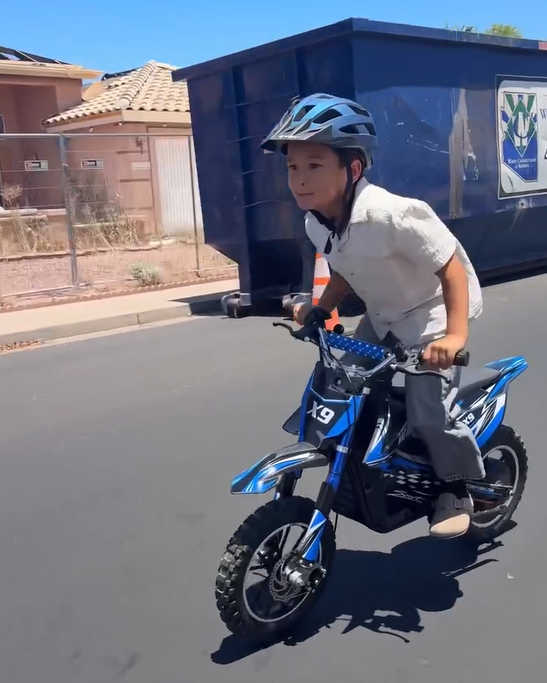
An electric dirt bike is built with one thing in mind: performance. Inspired by traditional motocross bikes, these machines prioritize torque, suspension travel, and rugged construction. They’re designed to handle rough terrain, steep climbs, and aggressive riding styles.
Unlike standard ebikes, electric dirt bikes usually don’t have pedals at all. Instead, they rely solely on throttle control. Frames are reinforced, tires are knobby, and suspension systems are long-travel to absorb rocks, roots, and jumps.
Simply put, electric dirt bikes are not pretending to be bicycles. They’re electric motorcycles in everything but legal classification.
Typical Power and Performance Specs
Most electric dirt bikes deliver:
-
Motor power ranging from 3,000W to over 15,000W
-
Top speeds between 30–60 mph
-
High torque output for instant acceleration
-
Advanced suspension systems (often adjustable)
Because of this, the electric dirt bike vs moped style ebike discussion often starts with raw power—and electric dirt bikes clearly dominate here.
What Is a Moped Style EBike?
Core Design and Purpose
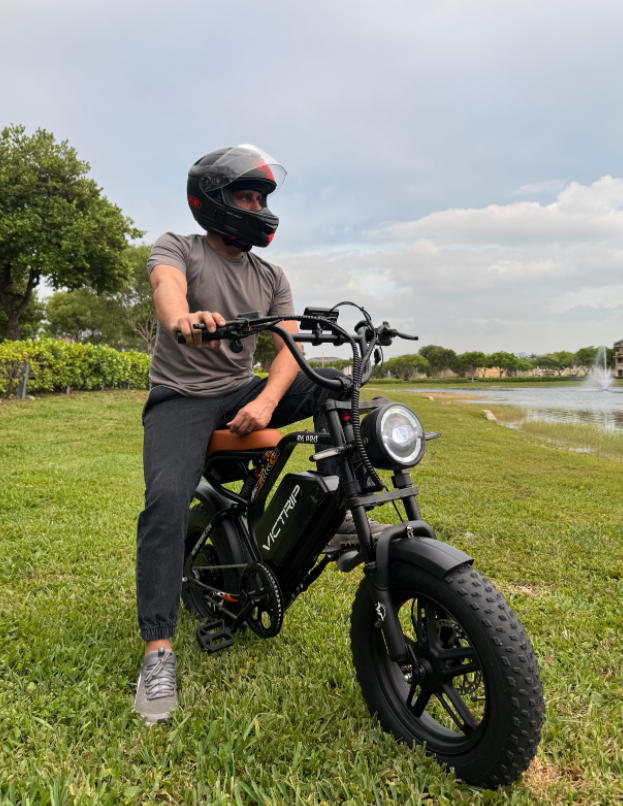
A moped style ebike blends the classic look of a vintage moped with modern electric bicycle technology. These bikes usually include functional pedals, a step-through or low-slung frame, and a long padded seat.
The focus is comfort, stability, and convenience. You’re meant to sit upright, cruise smoothly, and ride for longer periods without fatigue. Many riders choose moped style ebikes as car replacements for short trips.
They feel familiar, approachable, and unintimidating—especially for urban riders.

Typical Power and Performance Specs
Most moped style ebikes feature:
-
Motors between 500W and 1,500W
-
Top speeds from 20–28 mph (sometimes higher off-road)
-
Pedal assist plus throttle modes
-
Moderate suspension or rigid frames
In the electric dirt bike vs moped style ebike matchup, this category prioritizes balance over brute force.
Electric Dirt Bike vs Moped Style EBike: Power and Speed
When it comes to power, there’s really no contest. Electric dirt bikes are built to deliver explosive acceleration and high top speeds. Twist the throttle and you’re gone—no pedaling, no delay.
Moped style ebikes, by contrast, feel controlled and predictable. Acceleration is smooth, not aggressive. That’s great for city traffic, bike paths, and casual cruising.
Key takeaway:
-
Choose an electric dirt bike if you crave speed and intensity
-
Choose a moped style ebike if you value control and confidence
This difference alone defines much of the electric dirt bike vs moped style ebike debate.
Riding Comfort and Ergonomics Compared
Comfort is where moped style ebikes shine. Long seats, upright posture, and wide handlebars make them ideal for longer rides. You don’t feel rushed or tense while riding.
Electric dirt bikes demand more from the rider. The seating position leans forward, and suspension is tuned for impact rather than plush cruising. It’s thrilling—but tiring over time.
For daily commuting or relaxed riding, comfort matters more than excitement.
Terrain Capability: Street vs Off-Road Reality
Electric dirt bikes dominate off-road environments. Trails, dirt tracks, sand, and hills are their natural habitat. They can handle abuse and keep going.
Moped style ebikes are happiest on:
-
Paved roads
-
Bike lanes
-
Light gravel paths
Trying to ride a moped style ebike aggressively off-road usually ends badly. This is a critical factor in the electric dirt bike vs moped style ebike decision.
Battery Range and Charging Differences
Electric dirt bikes burn energy fast. High power equals faster battery drain. Real-world range often lands between 20–50 miles depending on riding style.
Moped style ebikes are more efficient:
-
Pedal assist extends range
-
Lower motor output conserves battery
-
40–80 miles per charge is common
Charging times are similar, but moped style ebikes stretch each charge further.
Legal Classification and Where You Can Ride
This might be the most important difference.
Electric dirt bikes are often not street legal. Many require registration, insurance, or are restricted to private land and off-road parks.
Moped style ebikes usually fall under ebike laws, allowing use on public roads and bike lanes (depending on class).
For legal clarity, consult official resources like the PeopleForBikes E-Bike Law Guide: https://www.peopleforbikes.org/electric-bikes/policies-and-laws.
Ignoring legality in the electric dirt bike vs moped style ebike debate can cost you big.
Read More: Do You Need a License for a Moped?
Maintenance, Durability, and Long-Term Ownership
Electric dirt bikes are built tough but require more maintenance. Suspension tuning, brake wear, and tire replacements add up.
Moped style ebikes are simpler:
-
Bicycle-grade components
-
Easier repairs
-
Lower maintenance costs
Over time, ownership cost favors moped style ebikes.
Cost Breakdown: Purchase Price and Running Costs
Electric dirt bikes often start around $3,000 and climb past $8,000.
Moped style ebikes typically range from $1,200 to $3,000.
Factor in insurance, parts, and repairs, and the financial gap widens even more.
Who Should Buy an Electric Dirt Bike?
You should choose an electric dirt bike if:
-
You ride mostly off-road
-
You want maximum performance
-
You’re comfortable with higher costs
-
Legal restrictions aren’t an issue
For thrill-seekers, the electric dirt bike vs moped style ebike choice is easy.
Who Should Buy a Moped Style EBike?
A moped style ebike is ideal if:
-
You commute daily
-
You want comfort and legality
-
You prefer longer range
-
You’re new to electric riding
It’s the practical winner in most everyday scenarios.
TOP PICK
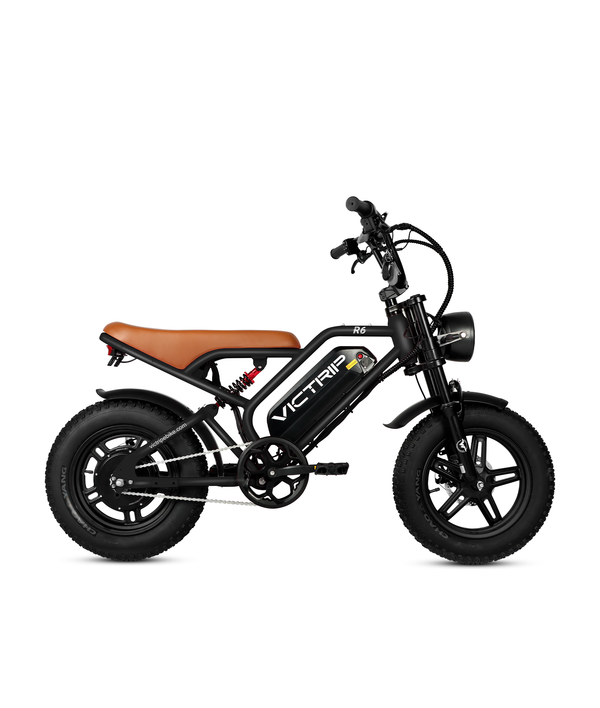
VICTRIP®R6 Cheap Electric Moped
$839.00
Environmental Impact and Sustainability
Both options reduce emissions compared to gas vehicles. However, moped style ebikes generally consume less energy per mile, making them the greener option overall.
Safety Considerations and Gear Requirements
Electric dirt bikes demand full protective gear—helmet, gloves, boots.
Moped style ebikes usually require only standard cycling safety gear.
Safety costs are another hidden factor in the electric dirt bike vs moped style ebike equation.
VICTRIP EBike Expert Views
According to experts at VICTRIP EBike, choosing between an electric dirt bike and a moped style ebike ultimately comes down to your core riding goals and lifestyle needs. Their team highlights that while electric dirt bikes excel in power, acceleration, and off-road performance, moped style ebikes stand out for comfort, daily usability, and compliance with urban e-bike regulations. VICTRIP specialists emphasize that riders who want a balanced blend of reliability, efficiency, and ease of ownership often find moped style ebikes more practical for everyday travel, whereas adventure-oriented riders will appreciate the raw capabilities of electric dirt bikes. Evaluating how and where you’ll ride is the key recommendation from VICTRIP’s expert perspective.
Conclusion: Making the Right Choice
The electric dirt bike vs moped style ebike debate isn’t about which is better—it’s about which fits your life.
If you want excitement, power, and off-road dominance, electric dirt bikes deliver unmatched thrills. If you want comfort, legality, efficiency, and everyday usefulness, moped style ebikes are the smarter buy.
Know your terrain, understand the laws, and be honest about how you’ll ride. Do that, and you won’t regret your choice.

Share:
Best Foldable E-Bikes Adults Are Buying Right Now
Can You Really Find Electric Bikes Under $100 Dollars?