

Electric dirt bike laws and regulations by state can feel messy because one bike may be treated as an e-bike in one place, an off-highway vehicle in another, and a motorcycle or moped somewhere else. The key issue is not just the battery or the motor. It’s how the bike is built, where you ride it, and how your state classifies it under local law. Federal product rules also matter: CPSC defines a bicycle, for product-safety purposes, as a two- or three-wheeled vehicle with fully operable pedals and an electric motor under 750 watts, while NHTSA treats many small motor vehicles under motorcycle or motor-driven-cycle concepts instead of bicycle rules.
For riders, parents, and buyers, that means one simple thing: don’t guess. Check the law before you ride, especially if the bike has no pedals, can go faster than a normal e-bike, or is designed for dirt, trails, or closed-course use. California, Texas, New York, Florida, and Arizona all show how quickly the legal category can change depending on the machine and the location.
What Counts as an Electric Dirt Bike Under the Law?
An electric dirt bike is usually a dirt-style two-wheeler powered by an electric motor, but the law cares more about function than style. If the bike has fully operable pedals and stays within the federal low-speed e-bike limits, it may fit bicycle-style rules in some places. If it has no pedals, higher speed, or stronger power, a state may treat it like a moped, motorcycle, or off-highway vehicle instead.

Why pedals matter
Pedals are a big legal clue. Under CPSC guidance, a bicycle includes a two- or three-wheeled vehicle with fully operable pedals and an electric motor under 750 watts. That federal definition is about product safety, but many states use similar ideas when deciding whether a ride belongs in the bicycle category or not. If your machine has no pedals at all, the path usually gets much stricter.
Why speed matters
Speed also changes the answer. Federal low-speed e-bike language centers on a motor-only speed under 20 mph for the CPSC definition, while Texas describes electric bicycles as having top speeds under 28 mph in its transportation guidance. That gap shows why state law matters so much. A bike that is legal as one thing in one state may land in a different bucket somewhere else.
Why dirt-bike style frames cause confusion
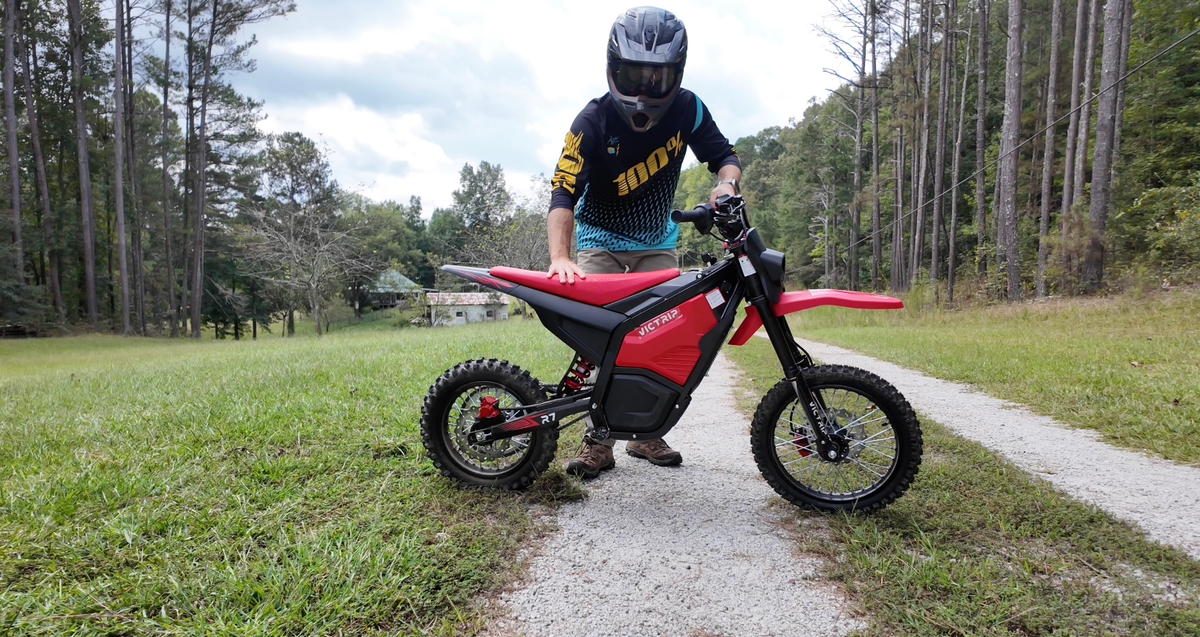
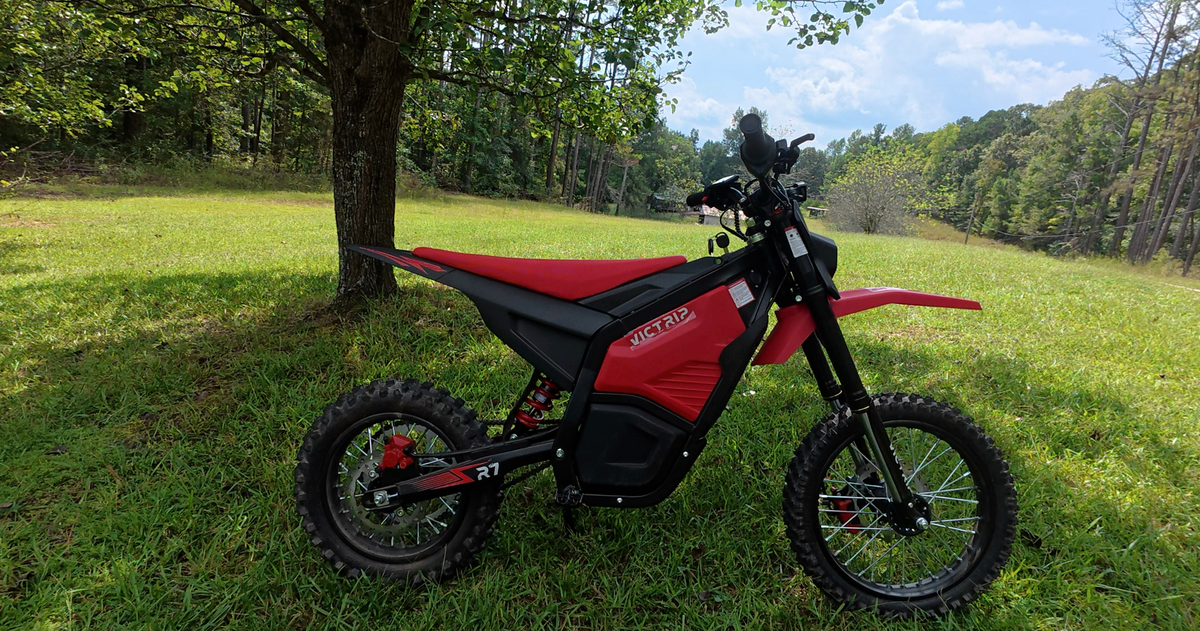
A dirt-bike frame, knobby tires, and off-road suspension can make a bike look like a motorcycle even if it has electric assist. NHTSA’s motorcycle and motor-driven-cycle concepts focus on motorized road vehicles, while state DMVs often sort off-highway machines into special registration categories. In other words, the look of the bike can push law enforcement, insurers, and DMVs to treat it very differently from a neighborhood e-bike.
Electric Dirt Bike Laws and Regulations by State: How the Rules Change
This is where the real action is. States usually sort electric dirt bikes into one of four groups: e-bike, moped, motorcycle, or off-highway vehicle. The exact label controls where you can ride, whether you need a license, and whether the bike must be titled, registered, or insured.
Off-highway vehicle rules
Some states treat dirt-style electric bikes as off-highway vehicles when they are designed for trail use and not for public roads. California says OHVs are used only off public roads and highways on lands open and accessible to the public, and its DMV lists electric motorcycles among the OHVs that need a DMV ID plate or placard rather than standard car-style registration. That is a strong sign that a bike built for dirt use is not automatically street legal.
Public road use vs. trail use
The place you ride matters just as much as the bike itself. California’s OHV rules focus on use off public roads; New York’s e-bike law allows electric-assist bicycles on some streets and highways; and Texas says bicycle and micromobility riders must obey road rules when operating on the road. So the same electric dirt bike may be legal on a trail, restricted on a bike lane, and banned on a highway.
Moped and motorcycle rules
If an electric dirt bike is too powerful or too fast to count as a bicycle, a state may classify it as a moped or motorcycle. Florida’s DMV separates motorcycles, motor scooters, mopeds, and motorized scooters into registration and title rules for road use. NHTSA also uses motorcycle and motor-driven-cycle concepts for road vehicles with seats or saddles and motor power. That means a bike that feels like a dirt bike may still need the paperwork of a motor vehicle.
License, title, and insurance
Once a bike falls into a motor vehicle category, states often ask for more than just a helmet. Arizona requires OHV and vehicle paperwork in different lanes, and California requires off-highway registration or placards for qualifying electric motorcycles used off-road. In many states, the legal chain can include title, registration, insurance, and an endorsement or license class that matches the vehicle.
E-bike rules
If the bike truly fits e-bike rules, the ride is usually simpler. Texas defines an electric bicycle as a bicycle with fully operable pedals and a motor under 750 watts that assists the rider, with top speeds under 28 mph. New York also has a legal path for e-bikes on some streets and highways. But here’s the catch: once the machine stops fitting those limits, the e-bike label can fall apart fast.
State Examples You Can Use as a Guide
The safest way to understand electric dirt bike laws and regulations by state is to look at how a few states handle the same machine. The details vary, but the pattern is consistent: design, speed, and use location decide the legal category.
California
California is a strong example of the off-highway approach. The DMV says OHVs are used only on lands open and accessible to the public, and it lists electric motorcycles, trail bikes, and racing motorcycles in that off-road space. California also says electric motorcycles designed for off-highway use are subject to OHV registration and must display an OHV permit or plate. If you want to ride on public roads, different equipment and registration requirements may apply.
Texas
Texas gives a clearer e-bike lane for bikes that stay within the state’s definition. The Texas Department of Transportation says an electric bicycle has fully operable pedals, a motor under 750 watts, and a top speed under 28 mph. Its guidance also says bicyclists and micromobility riders must obey the same traffic laws, traffic signals, and street signs as motorists when on the road. That means a compliant bike can be simple to use, but road rules still apply.
New York
New York recognizes electric scooters and bicycles with electric assist on some streets and highways. That matters because it shows the state is willing to let some electric two-wheelers into the public-road system, but not all of them. A dirt-style electric bike that doesn’t match New York’s road-legal definitions can still be barred from the street.
Florida
Florida’s DMV separates motorcycles, motor scooters, mopeds, and motorized scooters into distinct road-use categories, with titling and registration rules tied to the vehicle type. That makes Florida a useful reminder that a bike’s name on a website is not the same thing as its legal classification. If it behaves like a motorcycle, it may be regulated like one.
Arizona
Arizona is a useful off-road example. The state’s MVD says OHV permits are tied to off-road use and that the Arizona Game and Fish Department handles off-highway vehicle information. Arizona also says motorcycle licensing can start as early as age 15 years and 6 months, and the motorcycle license page says no freeway or interstate riding for that class. That combination makes Arizona especially important for riders who want both dirt use and street use.
How to Stay Legal Before You Buy or Ride
A smart buyer doesn’t just look at range and speed. They check the legal category first, because a great bike can still become a headache if it cannot be ridden where you plan to use it. CPSC and NHTSA definitions, plus state DMV rules, are the first things to verify.
Check the classification
Ask whether the bike is sold as an e-bike, moped, motorcycle, or off-highway vehicle. If the seller says “for off-road use only,” believe that warning. California’s OHV rules and Arizona’s OHV guidance both show that off-road machines are often kept out of normal road registration systems unless they meet separate legal standards.
Match the bike to the terrain
A dirt track, private property, or public trail is not the same as a street. California’s OHV language is limited to lands open and accessible to the public, while New York and Texas describe what can be used on roads and streets. That difference sounds small, but it changes everything.
Confirm age, helmet, and license rules
Age rules and helmet rules can change by class and state. Arizona’s motorcycle license page gives a minimum age and notes freeway restrictions for that license class, while Texas and Florida also separate vehicle classes in ways that affect what the rider must carry or wear. For younger riders especially, this is a must-check area.
Keep paperwork handy
If your bike is titled, registered, or plated, keep the documents close. If it is an OHV, keep the permit or placard info ready. If it is not road legal, don’t assume a strong motor or low seat height makes it street friendly. The paperwork should match the machine, not just the marketing.
Safety and Compliance Checklist
Electric dirt bikes can be a blast, but they also deserve real safety habits. CPSC says micromobility injuries and deaths have been increasing, which is a good reminder that speed and fun should never crowd out common sense.
- Wear a helmet that fits well, even on short rides.
- Check brakes, tires, battery condition, and controls before every ride.
- Use the bike only where its legal class allows it.
- Keep lights, reflectors, and visibility gear in good shape when riding near traffic.
- Never assume off-road permission means street permission.
FAQs
1. Are electric dirt bikes street legal in every state?
No. Electric dirt bike laws and regulations by state vary a lot. Some states allow certain electric bikes on roads if they meet pedal, speed, and equipment rules, while others treat dirt-style electric bikes as off-highway vehicles or motor vehicles.
2. Does an electric dirt bike count as an e-bike?
Only if it fits the legal definition. CPSC’s federal product-safety definition uses fully operable pedals and a motor under 750 watts, and Texas uses a similar pedal-based rule with a speed cap under 28 mph for electric bicycles. No pedals or too much speed usually means it is no longer in the e-bike bucket.
3. What if my bike has no pedals?
Then it is much less likely to qualify as an e-bike. In many states, a no-pedal electric dirt bike is more likely to be treated as a motorcycle, moped, or off-highway vehicle, depending on its design and intended use.
4. Do I need a license to ride one?
Maybe. If the bike is classified as a motorcycle or moped, a license or endorsement may be required. Arizona’s motorcycle page, for example, ties motorcycle operation to a license category, while Florida separates motorcycle-related road vehicles into distinct registration rules.
5. Can I ride an electric dirt bike on public trails?
Sometimes, but not automatically. California’s OHV rules allow off-highway use on lands open and accessible to the public, which shows that trail access depends on the land manager and the vehicle class. Local trail rules can be just as important as state law.
6. What should I check before buying one?
Check whether it has pedals, its top speed, motor wattage, whether it is sold for off-road or road use, and what your state says about title, registration, helmet use, and licensing. Those details usually decide the legal category.
Conclusion
Electric dirt bike laws and regulations by state are easier to understand once you know the legal buckets. Pedals, motor power, speed, and riding location are the big clues. If the bike looks like a dirt machine, it may still be legal on the road only if your state treats it as an e-bike or road vehicle and it meets all the matching rules. If not, it may belong on trails, private land, or off-highway routes only.
The safest move is simple: check the classification before you ride, keep the right paperwork, and match the bike to the terrain. Do that, and you’ll avoid the usual headaches while keeping the fun part front and center.
Share:
Electric Bikes Vs Video Games: Which Is Better for Your Child?
What Makes an Electric Bike Truly “All Terrain”?