

Buying an electric bike under $600 sounds like a dream. Affordable. Efficient. Eco-friendly. But what do you really get at this price point?
The truth is simple: you can absolutely find an electric bike under $600 that works well — but you must understand the trade-offs. This guide breaks down performance, quality, safety, and long-term value so you don’t waste your money.
Let’s dive in.
Why an Electric Bike Under $600 Is in High Demand
The demand for an electric bike under $600 has exploded in recent years. Rising gas prices, urban congestion, and environmental awareness have pushed more riders toward e-mobility.
According to market research reported by organizations like the PeopleForBikes, electric bicycle adoption continues to grow across the United States. Many first-time buyers enter the market at the sub-$600 range because it feels accessible and low-risk.
Who Should Consider This Budget Category?
An electric bike under $600 is ideal for:
-
College students on tight budgets
-
Short-distance commuters (under 10 miles daily)
-
Casual neighborhood riders
-
Beginners testing the e-bike lifestyle
However, it may not be ideal for:
-
Mountain trail enthusiasts
-
Long-distance commuters
-
Heavy cargo riders
-
High-speed thrill seekers
If you know your riding goals, you’ll make a smarter decision.
What You Realistically Get in an Electric Bike Under $600
Let’s set realistic expectations. When shopping for an electric bike under $600, here’s what you’ll typically find:
Motor Performance Explained
Most bikes in this range include:
-
250W to 500W hub motors
-
Top speeds between 15–20 mph
-
Rear-wheel drive configuration
Some listings may advertise “750W peak,” but continuous output is often lower.
For city riding, 350W is usually enough. Hills? That’s where budget models struggle.
Battery Range & Charging
Battery specs usually include:
-
36V systems
-
7Ah–10Ah capacity
-
Real-world range: 15–25 miles
Charging time ranges from 4–6 hours.
Keep in mind: manufacturer range claims often assume perfect conditions. Real-world factors like rider weight, hills, and wind reduce distance.
So yes, an electric bike under $600 works — but expectations matter.
Build Quality and Components at This Price
Here’s where compromises show up.
Frame Materials
Most sub-$600 bikes use:
-
High-tensile steel frames (heavier but durable)
-
Basic aluminum frames on better deals
Steel adds weight. Aluminum improves ride feel but may increase cost.
Brakes and Suspension
Expect:
-
Mechanical disc brakes
-
Basic front suspension fork
-
Rigid rear frame
Hydraulic brakes are rare at this price.
Tires are typically commuter-grade — not aggressive off-road fat tires.
That said, for paved roads and bike paths, these components are perfectly serviceable.
The Smart Exception: When Spending Slightly More Changes Everything
Here’s the honest truth: sometimes adding a bit more budget dramatically improves quality.
For example, the VICTRIP R6 Off Road eBike steps beyond entry-level expectations.
While not typically priced under $600, it demonstrates what enhanced investment delivers:
-
1000W peak motor
-
48V 15Ah battery
-
Full suspension system
-
Fat 4-inch tires
-
Off-road capability
This comparison highlights an important point: an electric bike under $600 is great for entry-level commuting, but serious off-road riding requires stronger specs.
TOP PICK
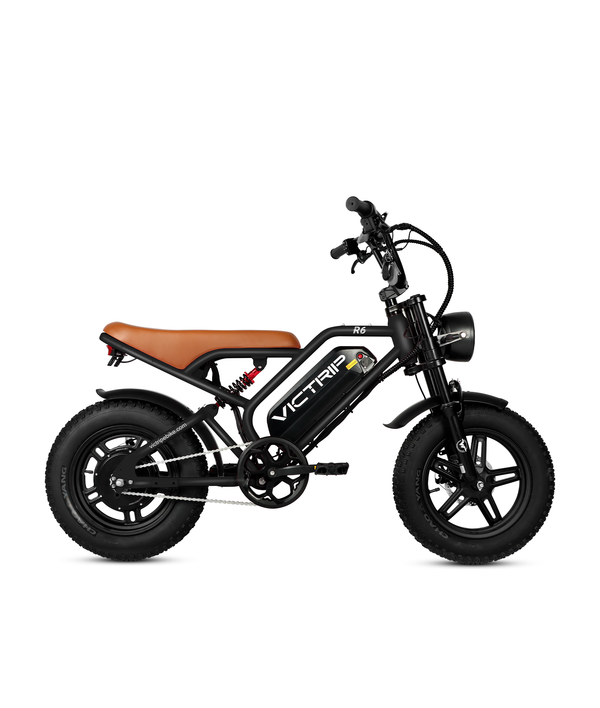
VICTRIP®R6 Moped Ebike for Teens
$799.00
Hidden Costs to Consider
Budget buyers often overlook these:
-
Helmet ($40–$80)
-
Lock ($30–$100)
-
Replacement brake pads
-
Tire upgrades
-
Maintenance tools
Electric bikes also require battery care. Replacement batteries can cost $200–$400.
So while the purchase price may be under $600, total ownership could approach $800–$900 over time.
Safety and Certifications
Safety should never be compromised.
Look for:
-
UL-certified batteries
-
Reliable braking systems
-
Clear warranty terms
You can review general battery safety standards through resources like the Underwriters Laboratories website.
Avoid unknown brands without documentation.
Read More: Safety First: Why You Must Buy a UL-Certified Ebike.
Commuting vs Off-Road: What’s Possible Under $600?
Let’s be realistic.
Ideal Uses:
-
Urban commuting
-
Bike lanes
-
Flat suburban streets
-
Campus travel
Limited Uses:
-
Rocky trails
-
Steep mountain climbs
-
Sand or snow riding
If your primary goal is commuting, an electric bike under $600 is often sufficient.

Long-Term Durability Expectations
A well-maintained budget e-bike can last 2–4 years.
However:
-
Components wear faster
-
Batteries degrade over 500–800 cycles
-
Entry-level drivetrains require adjustments
Routine care makes all the difference.
How to Choose the Best Electric Bike Under $600
Use this checklist:
-
Minimum 350W motor
-
At least 36V battery
-
Disc brakes
-
Warranty (1 year minimum)
-
Positive verified reviews
-
Replacement parts availability
Don’t rush. Compare carefully.
Final Verdict: Is an Electric Bike Under $600 Worth It?
An electric bike under $600 can be a smart, practical investment — if your expectations align with reality.
You’ll get:
-
Reliable urban transportation
-
Decent speed
-
Affordable mobility
-
Entry-level e-bike experience
You won’t get:
-
Premium suspension
-
Long-distance touring range
-
High-torque off-road climbing
In short, it’s an excellent starting point. And sometimes, starting smart is better than overspending.
Choose carefully, ride safely, and enjoy the journey.
FAQs
Is an electric bike under $600 reliable?
Yes, for short commutes and casual use. Heavy-duty riding may strain components.
How fast can an electric bike under $600 go?
Typically 15–20 mph depending on motor size and local regulations.
Can I ride hills with a budget e-bike?
Moderate hills are manageable. Steep inclines reduce speed significantly.
How long does the battery last?
Most batteries last 2–3 years with proper care.

Share:
Cheap Electric Bike For Teens? Choose the VICTRIP R6
All Terrain Electric Bikes for Adults: What to Know Before You Buy