

Compact electric bikes have become a practical answer to a very modern problem: people want a ride that fits into real life. Not everyone has a garage, a wide bike room, or endless time to wrestle with a heavy machine. A compact electric bike can make the whole experience feel simpler, calmer, and a lot more doable. It can slide into tighter storage spaces, work better in crowded cities, and feel less intimidating for new riders. That mix of convenience and fun is a big reason compact electric bikes keep getting more attention.
There’s also a confidence factor. When a bike feels manageable, people tend to ride it more often. That matters because e-bike education groups emphasize safe riding, helmet fit, battery care, and local traffic rules as part of good ownership. In other words, the best compact electric bikes are not just about shrinking the frame. They’re about making the whole riding habit easier to sustain.
Compact Electric Bikes for Real-World Living
For apartment dwellers, students, and city commuters, compact electric bikes can be a very smart pick. They are easier to position near a desk, in a hallway, or inside a small storage area. They also tend to feel more nimble in traffic, which helps when you’re navigating tight turns, curb cuts, parking lots, or busy neighborhood streets. That does not mean every compact bike is tiny or feather-light. It means the bike is designed to be friendlier in places where space is tight and patience is short.
Small Size Does Not Have to Mean Small Performance
A good compact electric bike should still pull its weight. Riders should expect steady assist, reliable braking, and enough battery capacity to handle real errands or a full commute. The sweet spot is simple: the bike should feel small enough to live with, but strong enough to ride with confidence. That balance is what separates a fun daily tool from a clever-looking machine that stays unused in the corner.
What Makes a Great Compact Electric Bike?
Not every bike with a smaller frame deserves the label “great.” A truly useful compact electric bike needs to balance fit, power, comfort, and control. That means looking past flashy marketing and focusing on the parts that actually change the ride. Think of it like buying shoes: the style matters, but the fit matters more. The same is true here.
Frame Shape and Riding Position
A compact electric bike should feel natural the moment you sit on it. Upright geometry usually helps with comfort and visibility, especially in traffic. A lower standover height can also make mounting and stopping less awkward. For many riders, this matters just as much as motor power. If a bike is hard to climb onto or difficult to balance at low speed, it can become a hassle very quickly.

Motor Power and Torque
Motor power is only part of the story. Torque tells you how strongly the bike can pull when starting from a stop or climbing a hill. For a compact electric bike, that burst of usable force often feels more important than raw top-end bragging rights. A well-matched motor should make the ride feel smooth, not jerky. It should help on hills, in headwinds, and when the bike is carrying more load.
Battery Range and Honest Expectations
Range gets attention fast, but the number on a page is never the whole truth. Battery range depends on rider weight, terrain, assist level, wind, temperature, and stop-and-go traffic. That is why the most honest way to judge a compact electric bike is to ask how it performs in the kind of riding you actually do. A bike that promises a huge range but struggles in everyday use is far less useful than one that delivers steady performance in real conditions.
Brakes, Tires, and Control
Compact electric bikes often feel quick and lively, so braking quality matters more than many shoppers expect. Strong, predictable brakes build trust. Tires matter too, because they influence comfort, grip, and stability on rough pavement or mixed surfaces. If a compact electric bike is meant for city riding, its handling should feel composed even when the road is messy. That is the kind of practical reliability people notice after the first week, not just on the product page.
Weight and Liftability
A compact electric bike does not need to be ultra-light to be useful, but weight still affects everyday life. Carrying it upstairs, moving it into storage, or lifting it onto a rack can be a dealbreaker if the bike is too heavy for your routine. That is why “compact” should be judged as a full experience, not a single dimension. The best compact electric bikes are the ones you can actually live with day after day.
A Quick Buyer Checklist
| Checkpoint | What to Ask Yourself |
|---|---|
| Fit | Does the bike feel easy to mount and stop? |
| Power | Does it help smoothly on hills and starts? |
| Battery | Is the stated range realistic for your rides? |
| Brakes | Do they feel strong and controlled? |
| Storage | Will the bike fit your home or office space? |
How to Choose the Right Compact Electric Bike for Your Life
Choosing compact electric bikes is easier when you stop thinking in generalities and start thinking in routines. Where will the bike live? How far will you ride? Will you carry it, lock it outside, or load it into a car? Those questions matter more than a glossy headline. A bike that suits your habits will feel like a help, not a chore.
For Daily Commuting
If the bike is for commuting, comfort and dependability should lead the decision. A commute bike should start smoothly, brake predictably, and handle repeated use without drama. Compact electric bikes can shine here because they are less awkward in bike rooms and easier to maneuver around office entrances, apartment lobbies, and dense parking areas. That convenience can save time every single day.
For Mixed Terrain
If your route includes broken pavement, packed dirt, gravel, or hilly side streets, you need a compact electric bike with a little more muscle and a little more confidence. That means checking torque, tire size, and frame stability before anything else. A bike that is fine on a smooth path can feel underwhelming the moment the road turns uneven. Mixed terrain rewards a stronger build and a more thoughtful setup.

For New or Younger Riders
New riders often do best with a bike that feels predictable and easy to manage. That is why fit, visibility, and simple controls matter so much. Safety education groups stress helmet use, traffic awareness, and following local rules because the learning curve is real. A compact electric bike can help reduce overwhelm, but only if the rider is also given the right habits from day one.
For Storage-Conscious Buyers
Storage sounds boring until it becomes the main reason a bike gets used or ignored. If you live in a small home, shared building, or upper-floor apartment, the compact side of a compact electric bike becomes a major advantage. The less friction there is between “I want to ride” and “the bike is ready,” the more often you will actually take it out. That’s the hidden value of a smaller, more manageable design.
Battery Care and Charging Matter
Battery safety should never be treated like an afterthought. The U.S. Consumer Product Safety Commission advises riders to follow manufacturer instructions, use the charger provided or recommended by the maker, and stay present while charging micromobility products. It also warns against charging while sleeping or away from home. That guidance is worth following closely, because battery habits are part of buying a good compact electric bike, not just owning one.
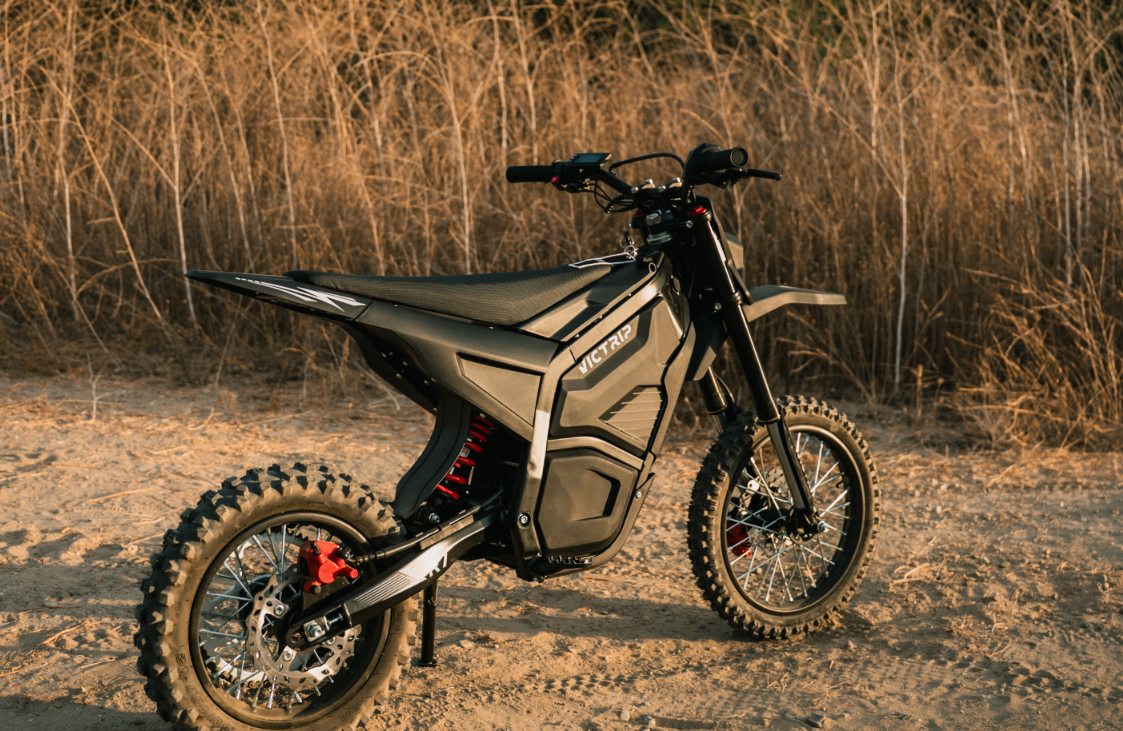
Best Compact Electric Bike: VICTRIP R6 Off Road Ebike
For readers who want one practical recommendation, the VICTRIP R6 Off Road Moped Ebike is the standout pick in this article. It’s listed with a 750W motor, a peak motor output of 1000W, a 48V 15Ah LG battery, up to 60 miles of pedal-assist range, a top speed up to 28 mph, 85 Nm of torque, and a 330 lb payload capacity. The product page also lists a net weight of 72 lb and notes a 5–7 hour charging time. Those specs make it a strong all-around option for riders who want compact-friendly handling with serious performance under the hood.
Why the VICTRIP R6 Stands Out
The R6 does a good job of balancing power and practicality. Its range figure is strong for assist-based riding, and its torque gives it enough punch to feel confident on climbs and starts. The bike’s 16" x 4" tire setup and off-road positioning also give it a tougher, more versatile personality than a basic city-only model. For buyers who want a compact electric bike with a little more attitude, that combination is hard to ignore.
Best Fit for the VICTRIP R6
This model makes the most sense for riders who care about performance first, but still want a bike that is easier to manage than a full-size heavy cruiser. It suits people who want a lively ride for short urban trips, neighborhood rides, and mixed-surface use. It is also a good choice for shoppers who prefer a single bike that can handle more than one kind of route without feeling fragile.

Conclusion
The best compact electric bikes do more than save space. They make riding feel easier to start, easier to store, and easier to repeat. That is the real win. When a bike fits your life well, you ride more often and with less stress. That is why compact electric bikes continue to grow in appeal: they solve everyday problems without taking the fun out of the ride.
If you want a stronger performance option inside this category, the VICTRIP R6 Off Road Ebike is a compelling recommendation. It pairs serious power, useful range, and practical load capacity with a setup that feels ready for more than just smooth pavement. For many riders, that is exactly the kind of small-size, big-performance balance worth chasing.
FAQs
Are compact electric bikes good for beginners?
Yes. Compact electric bikes can be a friendly option for beginners because they often feel easier to handle at low speed, easier to store, and less overwhelming than larger rides. The key is choosing a model with manageable geometry, reliable brakes, and clear rider controls. Safety education resources also emphasize helmets, awareness, and following manufacturer guidance.
Do compact electric bikes have enough range for commuting?
They can, but the real answer depends on the battery, assist level, rider weight, terrain, and speed. A published range number is only a starting point. The best approach is to compare your daily miles with the bike’s realistic assist range, then leave a little margin so the battery is not always running near empty.
What should I look for in a compact electric bike battery?
Look for a battery that offers realistic range, safe charging practices, and manufacturer support. The CPSC recommends using the charger provided or recommended by the manufacturer, charging only when you can monitor the device, and avoiding charging while asleep or away from home. That advice is especially important for any micromobility product with a lithium-ion battery.
Is more motor power always better?
Not necessarily. More power can help, but the best bike is the one that matches your riding style. A compact electric bike should feel smooth, controllable, and comfortable, not just aggressive on paper. Torque, braking, fit, and range all matter just as much as motor size.


Share:
Cool and Trendy Gifts Every 10 Year Old Girl Wants Right Now
Electric Mini Bikes vs Electric Scooters: Which One Wins in 2026?