


Choosing between a 24V and 36V ride-on can feel overwhelming for parents. Both options offer exciting outdoor fun, but they serve very different purposes. Some kids need a slower and safer learning experience, while others crave more speed, stronger acceleration, and off-road capability.
The debate around 24V vs 36V ride-ons has become more important as modern electric ride-on vehicles continue to improve. Today’s kids expect better performance, longer battery life, and more realistic riding experiences. At the same time, parents want reliable safety features and age-appropriate power levels.
A 24V ride-on is usually designed for younger children and beginners. It focuses on manageable speeds, easier control, and safer learning conditions. Meanwhile, a 36V ride-on is built for older or more experienced riders who need extra torque, better climbing ability, and stronger overall performance.
According to the Consumer Product Safety Commission, proper supervision and protective gear are essential whenever children use powered ride-on vehicles. That advice becomes even more important when moving from 24V to 36V systems.
In this guide, we’ll compare speed, safety, battery performance, terrain handling, and rider skill requirements so you can confidently choose the right ride-on for your child.
Understanding Ride-On Voltage Systems
Before comparing performance, it’s important to understand what voltage actually means in electric ride-ons.
What Does 24V Mean in Ride-Ons?
A 24V ride-on uses a 24-volt battery system to power the motor. These vehicles are commonly made for children between ages 3 and 8, although the ideal age depends on riding experience and size.
Most 24V ride-ons deliver:
- Moderate speed
- Smooth acceleration
- Easier handling
- Lower risk for beginners
- Reduced power consumption
Because of their manageable power output, 24V models are often considered the “sweet spot” for younger riders. They provide enough excitement without becoming too intimidating.
Typical speed ranges include:
| Ride-On Type | Average Speed |
|---|---|
| 12V Ride-On | 3–5 mph |
| 24V Ride-On | 6–9 mph |
| 36V Ride-On | 10–15+ mph |
Parents usually choose 24V systems for neighborhood riding, backyard fun, and beginner trail use.
What Does 36V Mean in Ride-Ons?
A 36V ride-on uses a more powerful battery setup. That extra voltage delivers:
- Faster acceleration
- Higher top speed
- Greater torque
- Better hill-climbing ability
- Improved off-road performance
These ride-ons are typically intended for older kids and teens who already understand throttle control and braking.
The higher voltage also means the motors can maintain stronger output under load. In plain English, the ride-on won’t slow down as much on hills, dirt paths, or uneven terrain.
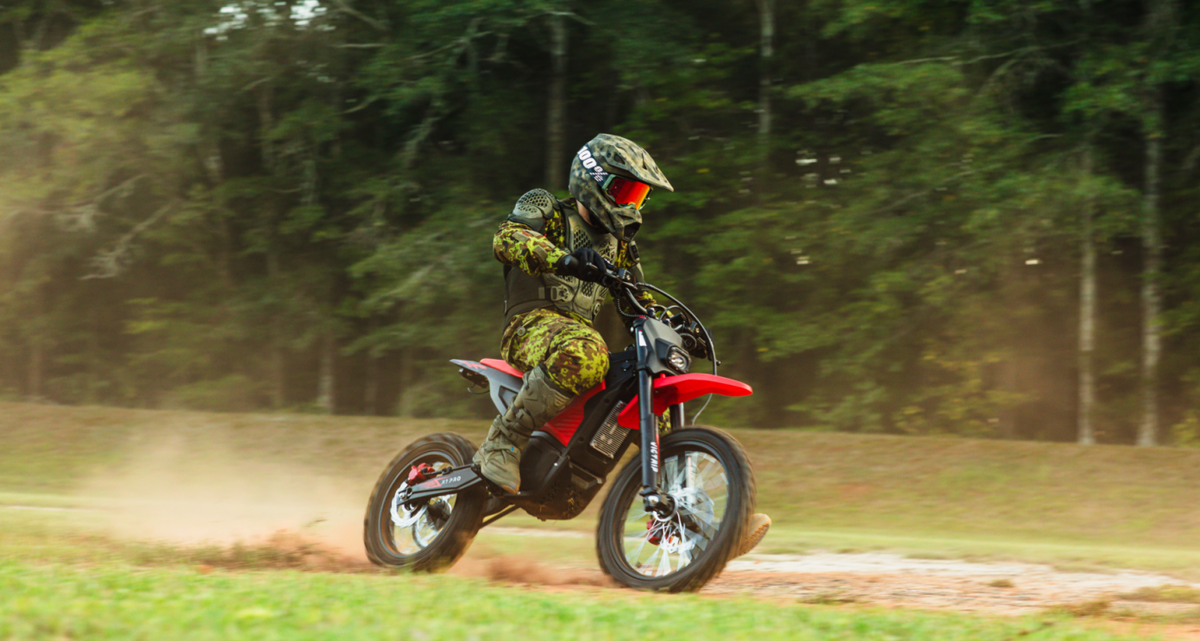
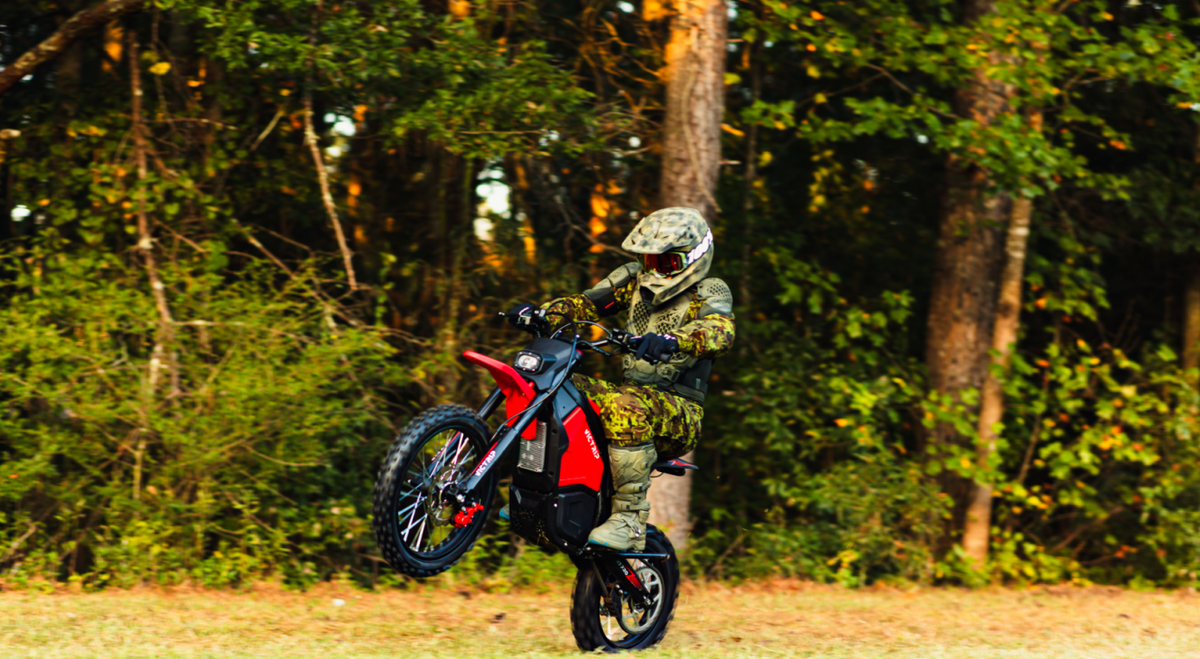
That’s why many performance-oriented electric dirt bikes use 36V systems. For example, the VICTRIP X9 Kids Electric Dirt Bike uses a 36V setup to provide smoother power delivery, stronger climbing ability, and better performance on grass, gravel, and backyard trails, making it a popular choice for kids ready to move beyond basic beginner ride-ons.
Key Differences Between 24V and 36V Ride-Ons
The difference between 24V and 36V ride-ons goes far beyond speed. Let’s examine the major performance categories.
Speed Comparison
Speed is usually the first thing parents notice.
A typical 24V ride-on reaches around 6–9 mph. That’s fast enough to feel exciting while remaining controllable for most younger riders.
A 36V ride-on often reaches 10–15 mph or more depending on rider weight, terrain, and motor configuration.
Here’s a direct comparison:
| Feature | 24V Ride-On | 36V Ride-On |
|---|---|---|
| Top Speed | Moderate | High |
| Acceleration | Smooth | Aggressive |
| Learning Curve | Easy | Moderate |
| Recommended Experience | Beginner | Intermediate/Advanced |
Although the speed gap may seem small on paper, the real-world feeling is dramatically different. A 36V ride-on feels much more responsive and powerful.
Torque and Acceleration
Torque matters just as much as speed.
Higher torque helps a ride-on:
- Start faster
- Climb hills easier
- Handle rough terrain
- Carry heavier riders
A 24V ride-on may struggle on steep grass hills or loose dirt. In contrast, 36V models maintain stronger acceleration in demanding conditions.
This becomes especially noticeable when kids transition from pavement to off-road trails.
Terrain Performance
Terrain capability is one of the biggest reasons families upgrade to higher-voltage systems.
A 24V ride-on usually performs best on:
- Pavement
- Sidewalks
- Smooth grass
- Flat yards
A 36V ride-on handles:
- Dirt trails
- Gravel
- Uneven ground
- Moderate inclines
- Off-road environments
For adventurous riders who enjoy trail riding, camping trips, or backyard dirt tracks, a 36V setup offers a much more capable experience.

Battery Runtime
Many parents assume higher voltage always means shorter runtime. Surprisingly, that’s not always true.
A quality 36V system can actually run efficiently because the motor works less aggressively under strain. However, faster speeds naturally consume more energy.
Battery life depends on several factors:
- Rider weight
- Terrain
- Tire resistance
- Motor efficiency
- Riding style
In general:
| Voltage | Average Runtime |
|---|---|
| 24V | 45–90 minutes |
| 36V | 40–80 minutes |
Aggressive riding drains batteries faster regardless of voltage.
Safety Factors Parents Must Consider
Safety should always come first when choosing between 24V and 36V ride-ons.
Speed Control and Training Modes
Many modern ride-ons now include adjustable speed settings.
These settings allow parents to:
- Limit top speed
- Gradually increase power
- Create beginner-friendly riding modes
This feature is incredibly useful when children are learning throttle control.
A beginner rider on a 36V system should always start with reduced-speed settings whenever possible.
Protective Gear Recommendations
Protective gear isn’t optional—especially with higher-voltage ride-ons.
Parents should always invest in:
- DOT-approved helmets
- Knee pads
- Elbow pads
- Gloves
- Long sleeves and pants
Even a low-speed fall can cause injury on gravel or pavement.
Age-Appropriate Riding
Not every child is ready for a high-powered ride-on.
Generally speaking:
| Rider Age | Suggested Voltage |
|---|---|
| 3–5 Years | 12V–24V |
| 6–8 Years | 24V |
| 9–12 Years | 24V–36V |
| Teens | 36V |
However, maturity and coordination matter more than age alone.
A cautious younger rider may handle a 36V ride-on responsibly, while an impulsive older child may still need a slower setup.
Which Skill Level Matches Each Voltage?
Skill level plays a huge role in determining the right ride-on.
Beginner Riders
Beginners benefit from predictable handling and gradual acceleration.
That’s why 24V systems are often ideal for:
- First-time riders
- Young children
- Nervous beginners
- Small backyard riding
These ride-ons allow children to build confidence safely.
Intermediate Riders
Intermediate riders already understand:
- Steering control
- Braking habits
- Speed awareness
- Terrain management
At this stage, many families begin exploring 36V systems.
The extra power feels exciting without being completely overwhelming for trained riders.
Advanced Young Riders
Experienced young riders often outgrow 24V systems quickly.
Signs your child may be ready for 36V include:
- Confident trail riding
- Smooth throttle control
- Safe braking habits
- Desire for longer rides
- Interest in dirt-bike-style riding
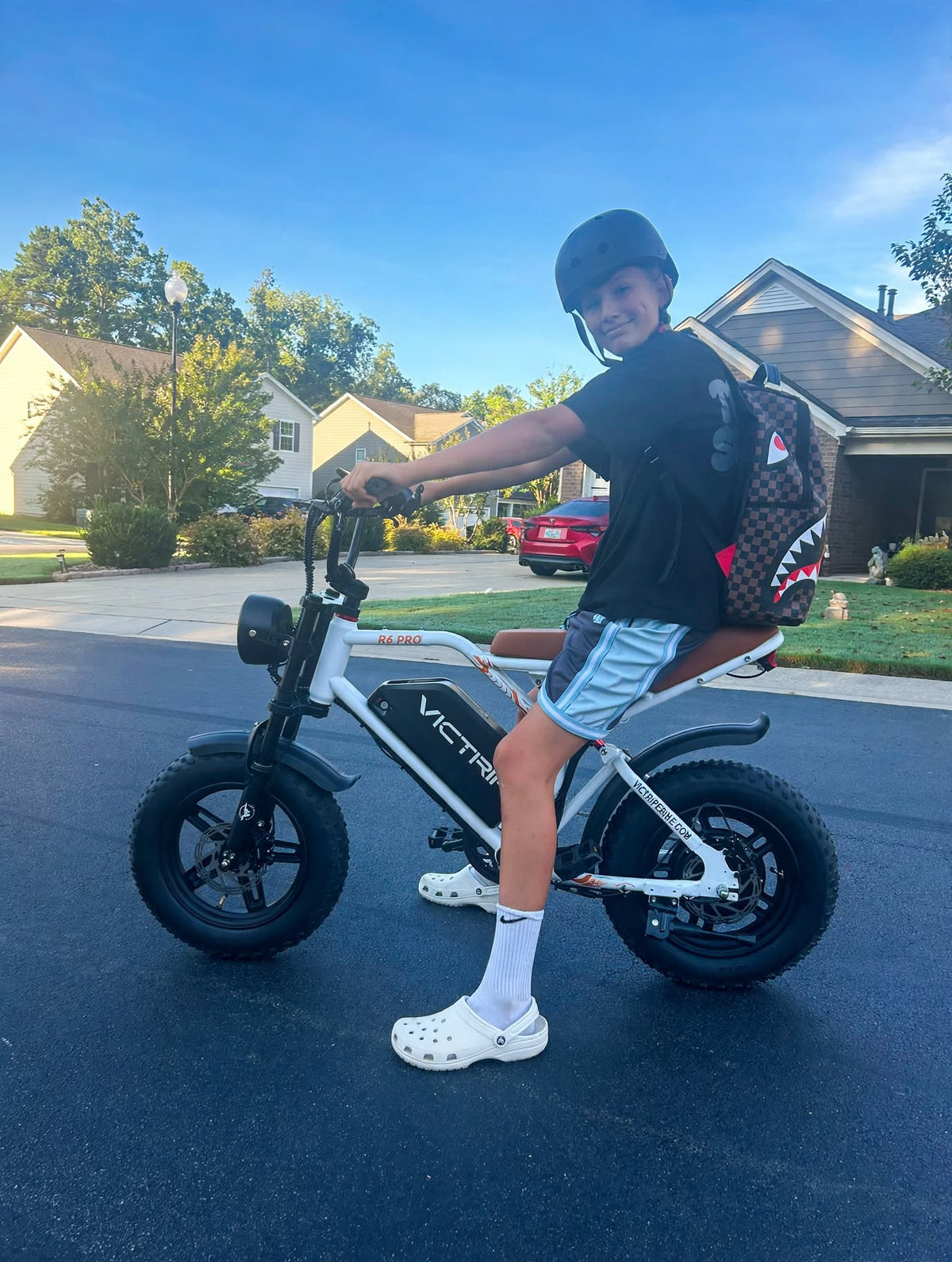
This is where performance-focused electric dirt bikes become especially appealing. Models like the VICTRIP R6 are designed for young riders who want a more exciting riding experience with stronger power delivery, improved stability, and a dirt-bike-inspired design that feels closer to a real off-road motorcycle while still being suitable for recreational family riding.

24V Ride-Ons for Younger Kids
A 24V ride-on remains one of the best choices for younger riders.
Advantages of 24V Systems
Benefits include:
- Easier learning curve
- Better safety margins
- Lower maintenance costs
- More affordable pricing
- Controlled acceleration
Parents also appreciate the reduced intimidation factor.
Younger children often feel more comfortable learning on slower vehicles.
Common Limitations
Despite their advantages, 24V systems do have limitations.
Common complaints include:
- Weak hill climbing
- Limited off-road capability
- Lower weight capacity
- Shorter “fun lifespan” as kids grow
Eventually, many riders want something more exciting.
That’s when the jump to 36V starts making sense.
36V Ride-Ons for Older Kids and Teens
A 36V ride-on delivers a completely different riding experience.
Benefits of Higher Voltage
Major benefits include:
- Stronger acceleration
- Better trail performance
- Higher top speed
- Greater excitement
- Improved suspension compatibility
For many older kids, a 36V electric dirt bike feels closer to a “real” motorcycle experience.
That realism creates stronger engagement and more outdoor activity.
Challenges Parents Should Know
However, higher voltage also introduces new responsibilities.
Parents should understand:
- Faster speeds increase crash risk
- Heavier frames require stronger handling skills
- Maintenance costs may increase
- Supervision remains important
It’s not simply a toy anymore—it becomes a true recreational vehicle.
Comparing Ride Quality and Comfort
Ride quality matters more than many parents expect.
Suspension Systems
Many premium 36V ride-ons include upgraded suspension systems.
These improve:
- Comfort
- Stability
- Off-road handling
- Shock absorption
A smoother ride helps reduce fatigue during longer sessions.
Tire Grip and Stability
Larger tires and stronger traction systems often accompany 36V models.
That improves:
- Cornering control
- Dirt traction
- Wet grass handling
- Overall stability
Kids riding on loose terrain benefit greatly from better tire grip.
How Weather and Terrain Affect Performance
Environmental conditions can dramatically change ride-on performance.
Grass, Gravel, and Dirt Trails
A 24V ride-on may slow noticeably on thick grass or gravel.
Meanwhile, 36V systems usually maintain stronger momentum.
Terrain performance depends on:
- Tire quality
- Motor torque
- Suspension design
- Rider weight
Off-road enthusiasts almost always prefer higher-voltage systems.
Wet Surface Considerations
Ride-ons should never be treated like waterproof ATVs.
Wet surfaces increase:
- Braking distance
- Tire slippage
- Battery risks
- Electrical hazards
Parents should avoid muddy or heavily soaked terrain whenever possible.
Battery Charging and Maintenance Tips
Battery care directly impacts ride-on lifespan.
Proper Charging Habits
To maximize battery health:
- Avoid complete battery drain
- Use the original charger
- Charge after each ride
- Keep batteries cool and dry
- Avoid overnight overcharging unless protected
These habits can significantly extend battery life.
Long-Term Battery Storage
If storing a ride-on for months:
- Charge battery to around 50–70%
- Store indoors
- Avoid freezing temperatures
- Recharge periodically
Neglecting storage care can permanently damage battery cells.
Why Many Families Upgrade from 24V to 36V
Many children eventually outgrow 24V ride-ons.
Common reasons families upgrade include:
- Increased rider confidence
- Need for better speed
- More off-road riding
- Longer outdoor adventures
- Improved durability
A 36V system often becomes a long-term investment for active riders.
Conclusion
When comparing 24V vs 36V ride-ons, the right choice depends on your child’s age, confidence, riding environment, and experience level.
A 24V ride-on offers safer beginner-friendly performance with manageable speeds and easier handling. It’s perfect for younger children learning basic riding skills.
A 36V ride-on, on the other hand, delivers stronger acceleration, better terrain handling, and a more thrilling experience for older or more experienced riders.
Parents should focus not only on speed, but also on safety features, rider maturity, terrain conditions, and long-term usability.
For families seeking a capable electric dirt bike that bridges fun and progression, the VICTRIP X9 provides an appealing option for young riders ready to explore beyond basic ride-ons.
Ultimately, the best ride-on is the one that keeps kids smiling, learning, and riding safely outdoors.
FAQs
Is a 36V ride-on too fast for kids?
It depends on the child’s experience and maturity. Many older children and teens can safely handle 36V ride-ons when proper supervision and safety gear are used.
What age is best for a 24V ride-on?
Most 24V ride-ons are ideal for children between ages 3 and 8, although riding skill matters more than age alone.
Does higher voltage mean longer battery life?
Not always. Higher voltage improves performance, but aggressive riding can reduce runtime. Battery quality and terrain also affect overall ride duration.
Should kids wear helmets on ride-ons?
Absolutely. Helmets and protective gear should always be worn, even at moderate speeds.
Can beginners use a 36V ride-on?
Yes, but only if the ride-on includes speed-limiting modes and the rider receives proper supervision and training.
Share:
Electric Dirt Bikes vs Gas Dirt Bikes: Which Is Safer for Kids?
Are Electric Dirt Bikes Legal for Teen Riders?