


Electric bikes are quickly transforming how people commute across Europe. From the busy streets of Paris to the bike-friendly lanes of Amsterdam, more commuters are ditching cars and public transport for electric bikes.
But the big question remains: are electric bikes worth it in Europe?
In this comprehensive guide, we’ll break down costs, savings, lifestyle benefits, and even recommend a few standout models from electric bikes to help you decide.
What Defines an Electric Bike?
An electric bike, or e-bike, is a bicycle equipped with an electric motor that assists pedaling. Unlike motorcycles, you still pedal—but with less effort.
Key Components and Technology
-
Motor: Provides pedal assistance
-
Battery: Usually lithium-ion, determines range
-
Controller: Regulates power output
-
Sensors: Detect pedaling speed or torque
Together, these elements create a smooth, efficient riding experience that feels natural yet powerful.
The Growing Popularity of Electric Bikes in Europe
Electric bikes are booming across Europe—and it’s no coincidence.
Urban Mobility Trends
Cities are pushing for cleaner transport. Many European governments are investing heavily in bike lanes and restricting car access in urban areas.
As a result:
-
Traffic congestion is decreasing
-
Air quality is improving
-
Commuting is becoming more efficient
Electric bikes fit perfectly into this evolving landscape.
Initial Cost of Electric Bikes in Europe
Let’s talk numbers—because upfront cost is often the biggest concern.
Average Price Range
-
Entry-level: €800–€1,500
-
Mid-range: €1,500–€3,000
-
Premium: €3,000+
Premium vs Budget Options
Higher-end models offer:
-
Longer battery life
-
Better suspension
-
Advanced features
Hidden Costs You Should Know
Even though electric bikes are cheaper than cars, they still come with some ongoing costs.
Maintenance
-
Tire replacements: €30–€60
-
Brake pads: €20–€50
-
Annual servicing: €50–€150
Battery Replacement
Battery lifespan is typically 3–5 years.
-
Replacement cost: €300–€800
Still, compared to car maintenance, these costs are minimal.
Cost of Owning a Car vs Electric Bike
Here’s where electric bikes truly shine.
Fuel Costs
Cars:
-
€100–€250/month
Electric bikes:
-
€5–€10/month (charging)
Insurance and Parking
Cars:
-
Insurance: €50–€150/month
-
Parking: €50–€200/month
Electric bikes:
-
Insurance: Optional or very low
-
Parking: Usually free
Public Transport vs Electric Bikes
Public transport is convenient—but not always cost-effective.
Monthly Expenses Comparison
| Transport Type | Monthly Cost |
|---|---|
| Metro/Bus Pass | €50–€120 |
| Electric Bike | €10–€20 (electricity + maintenance) |
Over time, electric bikes become significantly cheaper.
Long-Term Savings Breakdown
Let’s crunch the numbers.
1-Year Savings
Switching from a car:
-
Savings: €2,000–€5,000
Switching from public transport:
-
Savings: €500–€1,200
5-Year Savings
-
Up to €15,000 saved compared to owning a car
-
Even after buying a high-quality e-bike
Clearly, electric bikes aren’t just worth it—they’re financially smart.
Environmental Benefits
Europe is leading the fight against climate change—and electric bikes play a role.
Carbon Footprint Reduction
-
Cars emit ~120g CO₂/km
-
E-bikes emit near zero
By switching, you significantly reduce your environmental impact.
Health and Lifestyle Benefits
Electric bikes aren’t just about money—they improve your life too.
Physical Fitness
-
Low-impact exercise
-
Great for all ages
-
Encourages daily activity
Plus, you arrive at work energized—not exhausted.

Best Electric Bikes to Consider in Europe
Choosing the right bike matters.
Recommended Models
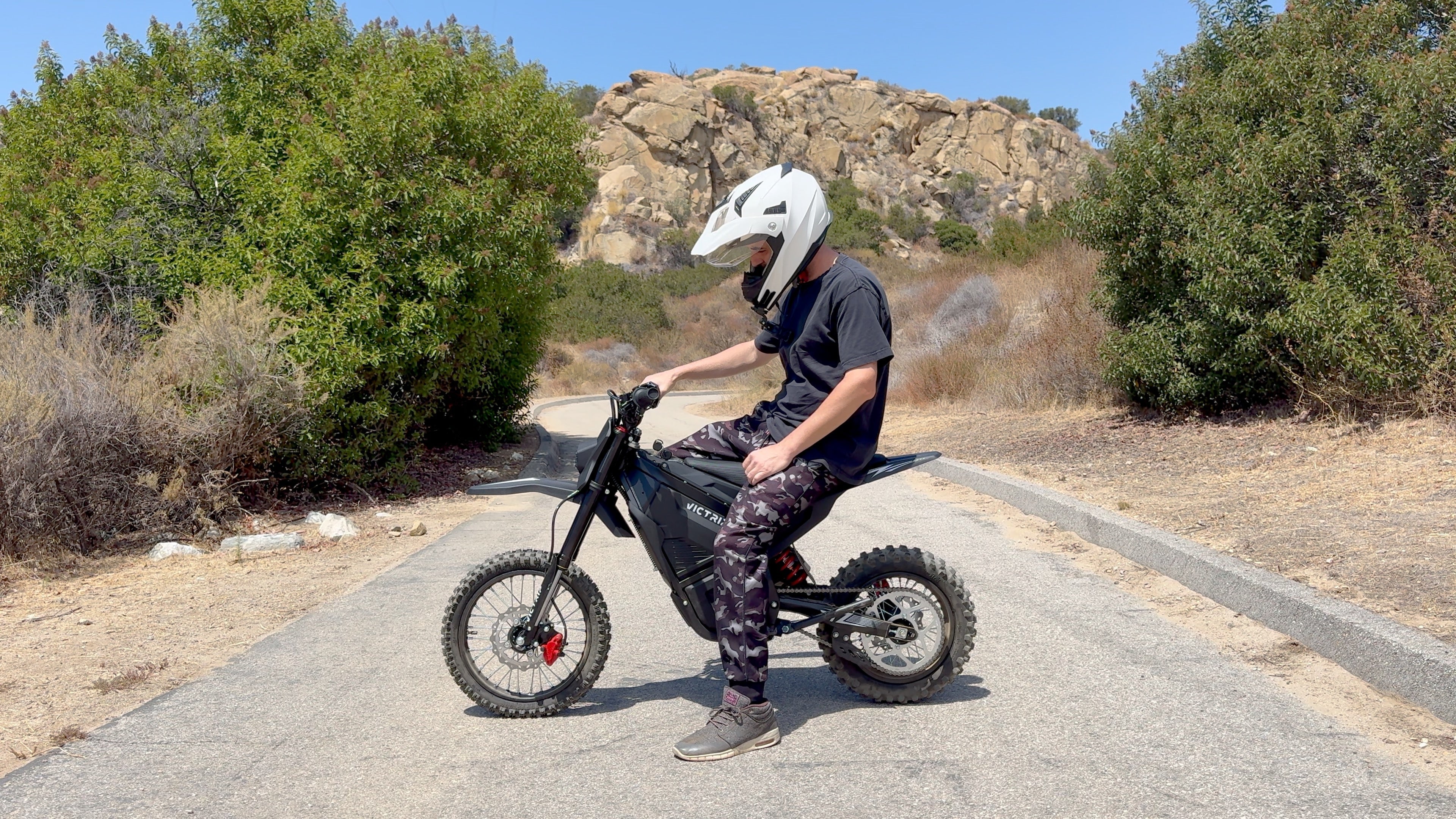
From the Victrip electric bike, here are some excellent options:
-
VICTRIP T5 Commuter-focused models: Lightweight, efficient, perfect for city rides
-
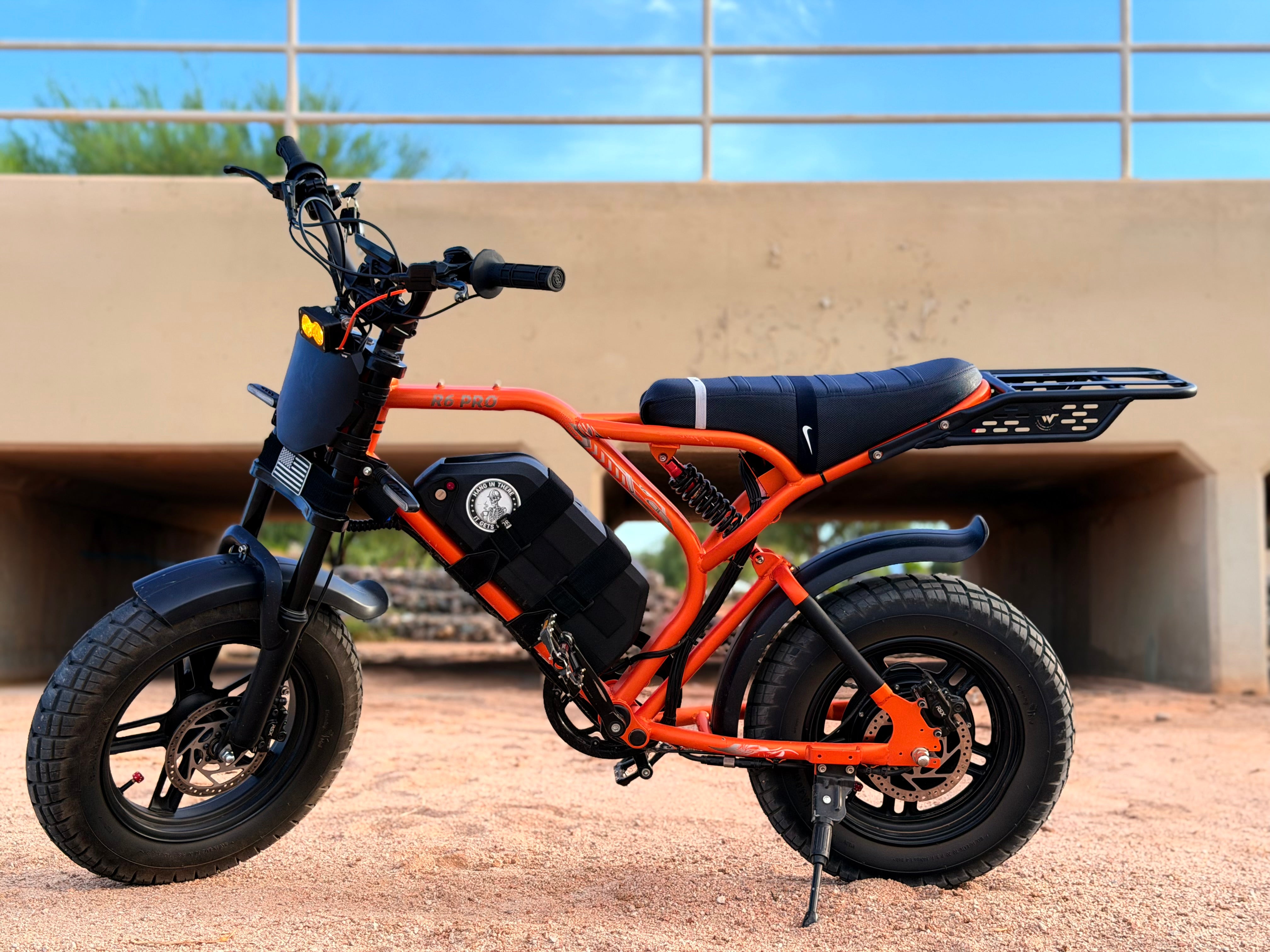
VICTRIP R6 Pro Fat tire e-bikes: Ideal for rough terrain and all-weather use
-
VICTRIP T6 Long-range bikes: Designed for extended travel with powerful batteries
These models combine performance, durability, and affordability—making them strong contenders in the European market.
Government Incentives in Europe
Many countries offer incentives for buying electric bikes.
Subsidies and Tax Benefits
-
France: Up to €400 subsidy
-
Germany: Tax benefits for commuters
-
Netherlands: Employer leasing programs
These incentives can significantly reduce your initial investment.
Challenges of Owning an Electric Bike
Of course, it’s not all perfect.
Weather and Infrastructure
-
Rain can affect comfort
-
Not all cities have bike lanes
-
Theft risk in urban areas
However, with proper planning, these challenges are manageable.
Who Should Buy an Electric Bike?
Electric bikes are ideal for:
-
Daily commuters
-
Students
-
Urban residents
-
Eco-conscious individuals
-
Anyone looking to save money
If you fall into any of these categories, the answer is simple—yes, it’s worth it.
Conclusion
So, are electric bikes worth it in Europe?
Absolutely.
They offer:
-
Significant cost savings
-
Environmental benefits
-
Health improvements
-
Greater convenience
While the upfront cost may seem high, the long-term value is undeniable. When you factor in savings on fuel, transport, and maintenance, electric bikes quickly pay for themselves.
FAQs
Are electric bikes legal in all European countries?
Yes, but regulations vary. Most countries allow pedal-assist bikes up to 25 km/h without a license.
How long does an electric bike battery last?
Typically 3–5 years or 500–1,000 charge cycles.
Can electric bikes replace cars completely?
For short to medium distances, absolutely. Many commuters rely solely on e-bikes.
Are electric bikes safe in city traffic?
Yes, especially with proper bike lanes and safety gear.
Do electric bikes require insurance?
Usually not, but optional insurance is available for theft and damage.

Share:
Why Europeans Prefer Pedal-Assist eBikes?
Do You Need Insurance for an eBike in Europe?