


City life in Europe asks a lot from a bicycle. One day you’re weaving through tight streets. The next, you’re carrying a bag, facing rain, or hopping onto a train. That’s why city commuter electric bikes in Europe have become such a smart option. They are not just about speed. They are about making daily travel easier, cleaner, and less stressful.
A good commuter e-bike should feel smooth in traffic, steady on wet roads, and simple to live with every day. It should help you arrive on time without making the ride feel like a workout you did not ask for. In other words, the best bike is the one that fits your routine, not the other way around.
For readers who want a wider urban mobility context, the European Commission’s urban mobility resources are a useful starting point: European Commission – Urban mobility.
Why City Commuter E-Bikes Fit European Life So Well
European cities often reward compact, efficient transport. Streets can be narrow, parking can be limited, and public transit is strong but not always door-to-door. That is where an electric commuter bike shines.
Short Trips Add Up Fast
A five-kilometer ride might not sound like much, but do it twice a day, five days a week, and suddenly the savings are real. Less fuel, less parking hassle, and often less time lost in traffic. For many people, that is the whole point.
Mixed Transport Is Common
In Europe, many commuters combine biking with trains, trams, or buses. A practical commuter e-bike should support that lifestyle. It should be manageable to park, easy to lock, and not too awkward to lift if needed.
Weather Is Part of the Deal
Rain, wind, cold mornings, and dark evenings all matter. A commuter bike in Europe should be built for year-round use, not only for fair-weather rides.
The Most Important Features to Look For
1. Motor Power That Matches Real City Riding
Not all city rides are flat and easy. Some routes include bridges, hills, and stop-start traffic. The right motor should make these moments feel natural.
Mid-Drive or Hub Motor?
A mid-drive motor often feels more balanced and better on hills. A hub motor can be simpler and sometimes more affordable. Both can work well for commuting, but the best choice depends on your route and riding style.
Look at Torque, Not Just Watts
Many riders focus on motor wattage, but torque matters a lot in the city. It helps the bike move smoothly from a stop and climb hills with less effort. If your commute includes slopes or heavy cargo, stronger torque is a big plus.
2. Battery Range That Covers More Than One Day
Range is one of the biggest buying points, but real-world range matters more than the number on a spec sheet.
Think in Daily Distance, Not Marketing Claims
If you ride 12 miles a day, a bike that claims 60 miles of range sounds great. But cold weather, strong assist, hills, and stop-and-go traffic can reduce that number. A smart buyer leaves a healthy buffer.
Removable Batteries Make Life Easier
A removable battery is a real convenience. You can charge it at work, in your apartment, or wherever it is easiest. That is especially helpful in older European buildings where storing a bike indoors may be a challenge.
3. Comfortable Geometry for Everyday Use
A commuter bike should feel relaxed, not aggressive. You are riding to work, school, or the shops—not racing.
Upright Position Helps in Traffic
An upright riding position gives you a better view of the road and usually feels less tiring. It can also make shoulder and wrist strain less of a problem on longer rides.
Step-Through Frames Are Very Practical
Step-through frames are popular for good reason. They make getting on and off easier, especially when you are wearing work clothes or carrying a bag. They also help riders who want a more casual, everyday feel.
4. Tires That Handle City Surfaces Well
City roads are not always smooth. Cobblestones, curbs, wet paint, tram tracks, and potholes can all appear without warning.
Wider Tires Add Confidence
A slightly wider tire often provides better comfort and grip. It can make the ride feel calmer on rough pavement and more stable in wet conditions.
Puncture Resistance Matters
If you commute often, puncture-resistant tires are worth it. Fewer flats mean fewer delays. And let’s be honest, nobody wants to fix a tire before work.

5. Brakes You Can Trust in All Weather
A commuter bike must stop well. That sounds obvious, but it is one of the most important parts of the bike.
Disc Brakes Are a Strong Choice
Hydraulic disc brakes or quality mechanical disc brakes can offer reliable stopping power in wet and dry conditions. In a city with frequent rain, that matters a lot.
Brake Feel Should Be Smooth and Predictable
A good brake system should not feel grabby or vague. You want confidence when a pedestrian steps out or a car door opens suddenly.
6. Built-In Safety Features for Urban Streets
Safety is not only about brakes. It is also about visibility and control.
Bright Lights Are a Must
Front and rear lights help you see and be seen. If the bike has integrated lights, that is even better because you will be less likely to forget them.
Reflective Details Help After Dark
Reflective sidewall strips, frame accents, or accessories can improve visibility without much effort. On dark winter mornings, that extra visibility can be a real lifesaver.
Fenders Keep You Cleaner
Fenders may not look exciting, but they are one of the most useful commuter features. They help protect your clothes from road spray and mud.
7. Cargo Options for Daily Errands
Many riders use a commuter e-bike for more than commuting. Groceries, gym clothes, laptop bags, and small packages all need a place to go.
Rear Racks Are a Big Plus
A sturdy rear rack makes the bike more useful right away. It can support panniers, baskets, or a child seat on some models.
Front Storage Can Be Handy Too
A front basket or rack helps with quick trips and light loads. It makes the bike feel more like a true everyday tool.

8. Weight and Portability
A commuter e-bike should be easy enough to live with in the real world.
Heavier Bikes Can Be Harder to Move
More power and a bigger battery often mean more weight. That is not a deal-breaker, but it matters if you need to carry the bike upstairs or onto public transport.
Balance Matters as Much as Weight
A bike that feels well balanced can still be comfortable even if it is not the lightest model on the market. Test the handling, not just the number on the spec sheet.
A Practical Buying Checklist for European Commuters
Match the Bike to Your Route
Before you buy, think about your actual ride. Flat city center? Hilly suburbs? Mixed bike-and-train commute? Each one points to a slightly different setup.
Choose the Right Assist Level
More assist is not always better. Some riders want strong support, while others prefer a more natural pedaling feel. A bike with multiple assist modes gives you more flexibility.
Check Local Rules
European countries can differ in details, so it is wise to confirm local e-bike rules before buying. Speed, motor support, and equipment requirements may vary.
Ask About Service and Warranty
A commuter bike is something you will use often. That means after-sales support matters. Check whether parts are easy to find and whether local servicing is available.
Test Ride If Possible
A bike can look perfect on paper and still feel wrong in person. A short test ride often reveals the truth fast.
Feature Comparison Table
| Feature | Why It Matters | Best Choice for Commuting |
|---|---|---|
| Motor | Helps on hills and starts | Smooth, reliable assist |
| Battery | Controls daily usability | Realistic range with buffer |
| Frame | Affects comfort and mounting | Step-through or relaxed geometry |
| Tires | Impacts comfort and grip | Wider, puncture-resistant tires |
| Brakes | Critical for safety | Disc brakes with strong control |
| Lights | Helps visibility | Integrated front and rear lights |
| Rack/Fenders | Improves daily practicality | Included from the start |
| Weight | Affects portability | Balanced, manageable build |
Frequently Asked Questions
1. What is the best motor type for city commuting in Europe?
For many riders, a mid-drive motor is ideal because it handles hills and frequent stops well. However, a hub motor can also work nicely for flatter routes and simpler needs. The best choice depends on your city and how you ride.
2. How much battery range do I really need?
For daily commuting, think about your round-trip distance and add extra room for cold weather, hills, and strong assist. A bike with more range than you need is usually a safer choice than one that barely meets the number.
3. Are step-through commuter e-bikes good for adults?
Yes. Step-through bikes are very practical for city use. They are easy to mount, comfortable for stop-and-go riding, and convenient when you wear office clothes or carry bags.
4. Do I need suspension on a city commuter bike?
Not always, but it can help if your roads are rough or full of bumps. Many riders prefer wider tires and a comfortable saddle instead of heavy suspension. That said, some front suspension can make daily riding smoother.
5. What safety features matter most?
Strong brakes, bright lights, and good visibility matter most. Fenders and reflective details help too. If the bike feels stable and easy to control, that adds another layer of safety.
6. Is a heavier e-bike a problem for commuting?
It can be, especially if you need to carry it upstairs or onto trains. But many riders accept extra weight in exchange for better battery life, stronger support, and more features. The key is finding a balance that suits your routine.
VICTRIP EBike Expert Views
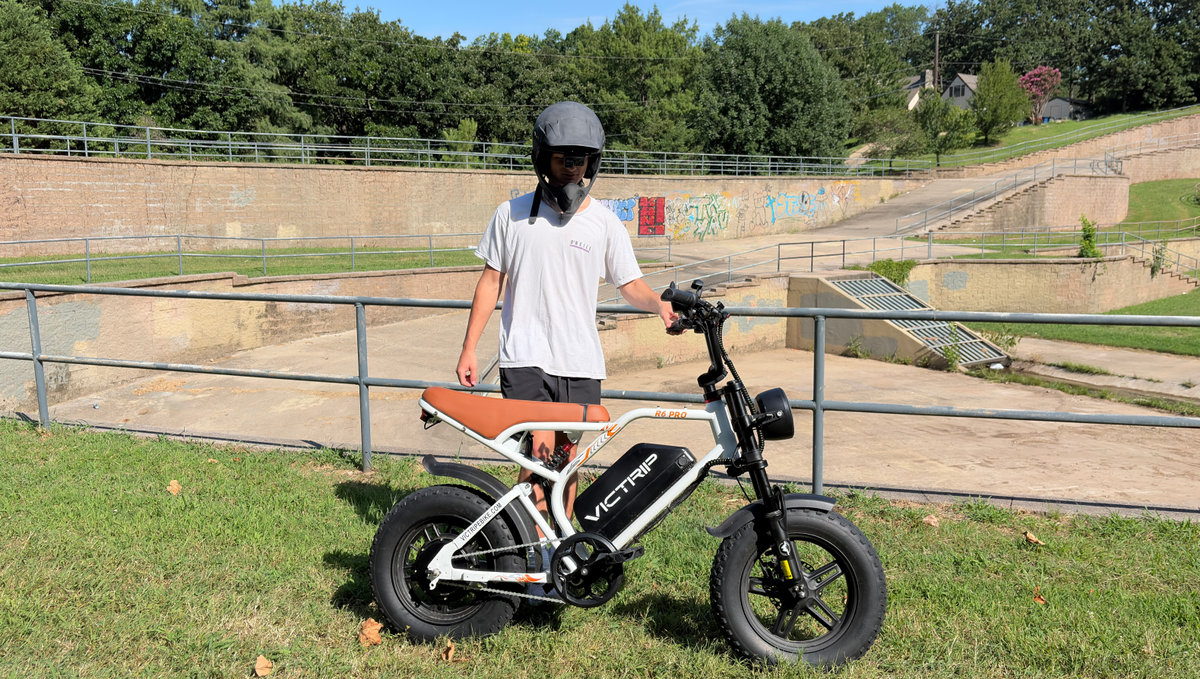
VICTRIP EBike experts emphasize that the best city commuter e-bikes in Europe should balance power, comfort, and practicality. They highlight the importance of strong torque for stop-and-go traffic, long-range removable batteries for convenience, and ergonomic designs like step-through frames for everyday comfort.
They also stress that features such as integrated lights, fenders, and cargo racks are essential for safe and efficient urban commuting. Overall, VICTRIP believes a great commuter e-bike should fit seamlessly into daily city life.
Conclusion
The best city commuter electric bikes in Europe are the ones that make everyday travel easier, safer, and more comfortable. Focus on motor support, realistic battery range, upright comfort, reliable brakes, and practical features like lights, fenders, and racks. Those details matter far more than flashy marketing claims.
A great commuter e-bike should save time, reduce stress, and fit naturally into your life. When it does, riding stops feeling like a chore and starts feeling like freedom. And that, in the end, is the real win.


Share:
E-Bike Buying Quick Guide (Germany 2026): Find Your Ideal Ride Fast
How eBikes Are Changing Transportation in Italy?